

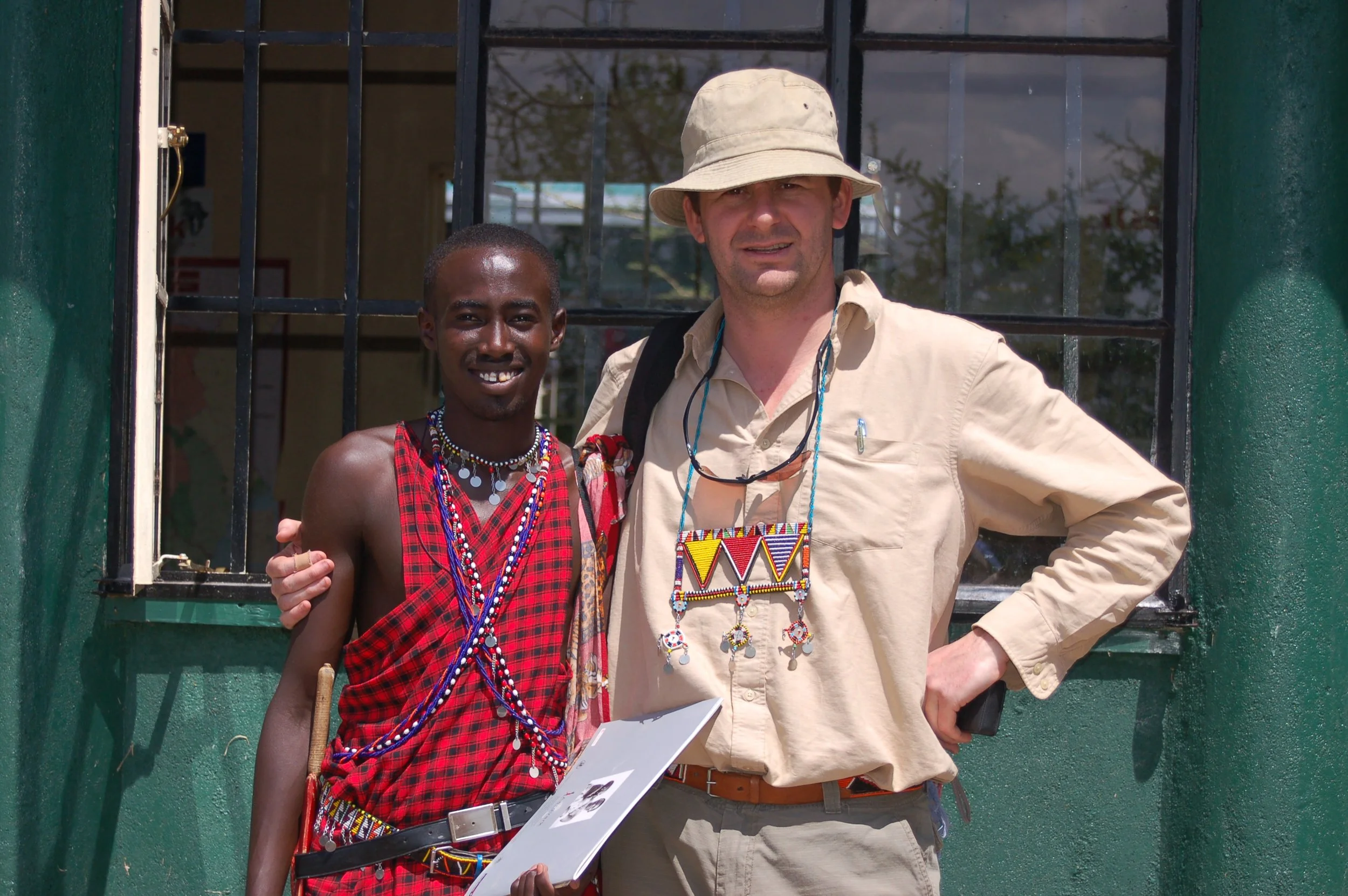
The Beginning: Koiyaki Guiding School
When I was co-owner and founder of Aardvark Safaris, with offices in England, Scotland and San Diego, one of the projects we became very involved with was the Koiyaki Guiding School in the Maasai Mara.
The school was established in 2005, with 23 students in its first intake, and Ron Beaton was one of the important people behind it.
Ron was a great character and a real pioneer in trying to ensure that Maasai communities living alongside the wildlife benefited properly from tourism.
The idea behind Koiyaki was wonderfully straightforward.
The local Maasai knew the land, wildlife and culture intimately, yet relatively few were working as professionally trained safari guides.
At the same time, tourism was generating significant income from wildlife living on and around Maasai land.
Koiyaki was designed to connect those two things.
Find talented young people from the local community, give them professional training, help them earn recognized guiding qualifications and, crucially, help them find employment in the safari industry.
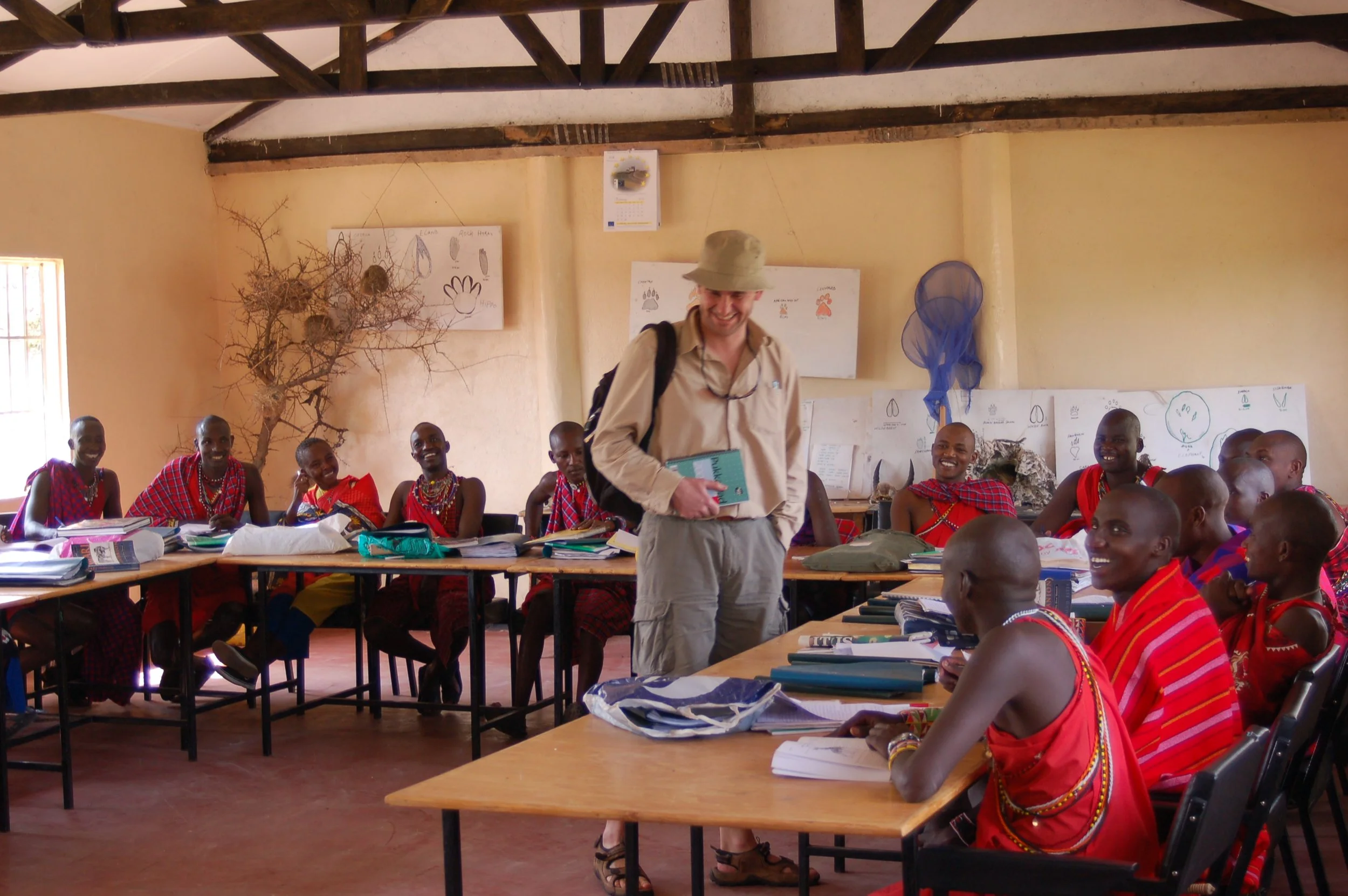
The course lasted approximately a year and included wildlife and ecology, conservation, guiding, first aid and driving, preparing students for the Kenya Professional Safari Guides Association Bronze qualification.
Competition for places was enormous. From memory, in some years there were more than 500 applicants competing for roughly 20 to 22 places.
For a young Maasai school leaver, getting into Koiyaki was a significant achievement in itself.
Sponsorship, But Not a Handout
One thing I particularly remember was Ron's philosophy around sponsorship.
From memory, it cost approximately $2,200 to sponsor a student for the year.
However, Ron didn't believe an overseas donor should simply arrive and pay for everything. He felt strongly that the student's family should make a meaningful contribution towards their son or daughter receiving this opportunity.
The contribution was based roughly on the value of a good-quality cow, which I remember being around $250 at the time.
That was significant.
In traditional Maasai culture cattle aren't simply livestock. They are effectively a family's living bank balance. Wealth and security are held in cattle, the more cattle the more value you have.
So asking a family to contribute the equivalent of a good cow meant something. Ron didn't want the scholarship to feel like easy foreign aid.
He wanted everyone invested in the outcome.
The student had to compete for and earn the place.
The family had to believe sufficiently in their son or daughter to make a meaningful financial commitment.
The sponsor provided the majority of the funding.
The school provided education and opportunity.
And then the student had to make something of it.
I always thought that was a very clever and dignified model.
Aardvark's First Sponsored Guide: Mika Ole Kaleku
Aardvark began sponsoring individual students at Koiyaki very early on.
Our first sponsored student was Mika Ole Kaleku.
We followed Mika through the school and actually attended his graduation, which made the whole project much more tangible for us. It wasn't simply writing a check to a charity somewhere in Africa.
We knew the student we were supporting, saw him complete his training and watched him move into the safari industry.
Mika went on to build a successful career and is now guiding at Kicheche.
For me, that is one of the simplest ways of demonstrating whether Koiyaki worked. A young Maasai was given access to professional training, earned his qualification, entered the safari industry and built a career that has lasted for years.
Mika was the first Aardvark-sponsored student.
He certainly wasn't the last.
Aardvark's Involvement Grows
We continued sponsoring students, initially one or two at a time.
We also started talking about Koiyaki in our newsletters and marketing. As our clients learned about the school and understood what it was trying to achieve, something interesting happened.
They started wanting to sponsor students themselves.
Over time, more and more individual students were being supported directly by Aardvark clients.
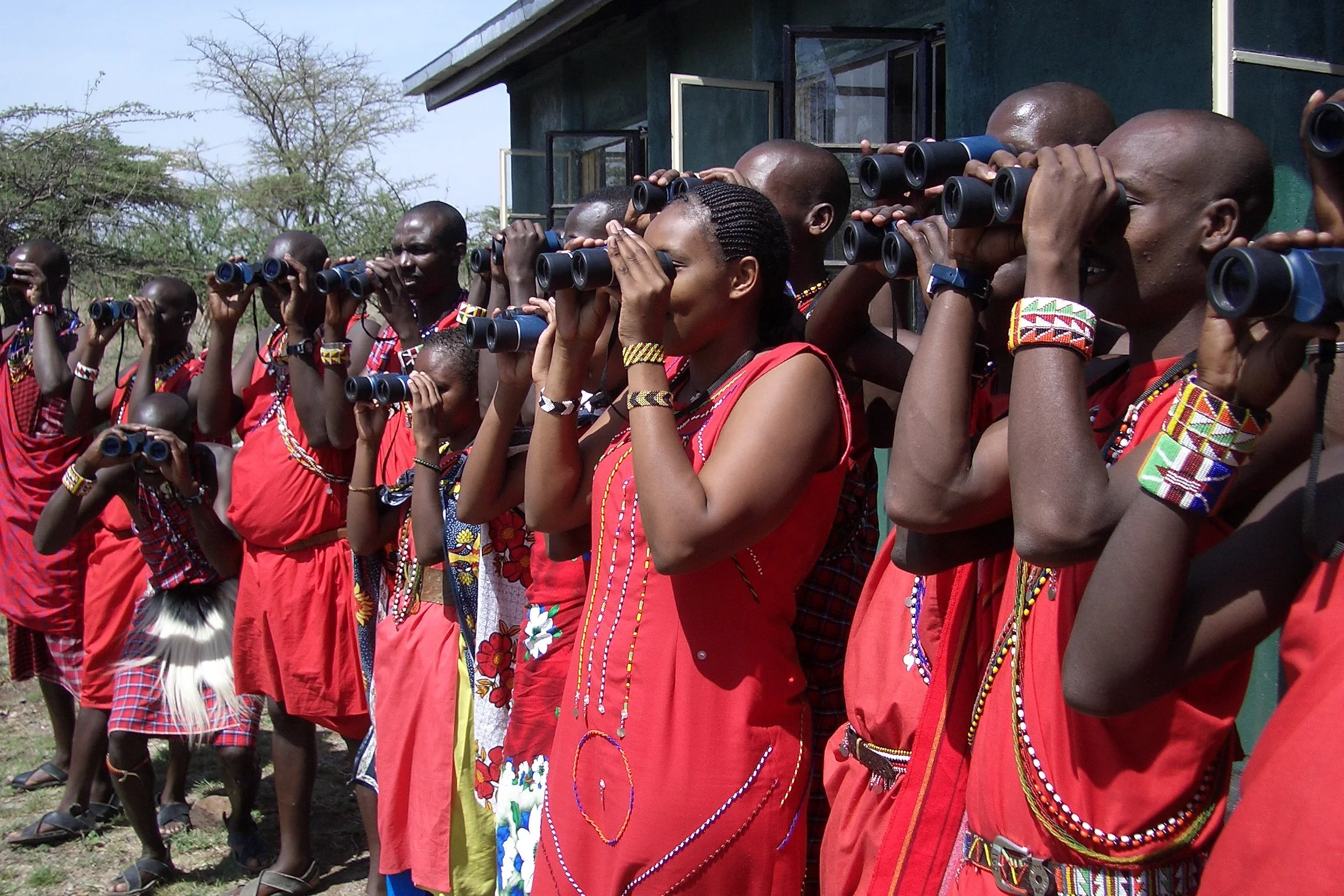
The school also began training female guides, which was particularly important in an industry that had traditionally been overwhelmingly male.
Eventually there were enough people willing to sponsor individual students that Aardvark shifted more of its own support towards the school itself.
There were plenty of less glamorous things that needed funding: teachers' salaries, first-aid courses, driving licences, buildings, maintenance, water collection and all the infrastructure required to keep a small educational institution operating.
My involvement became personal as well.
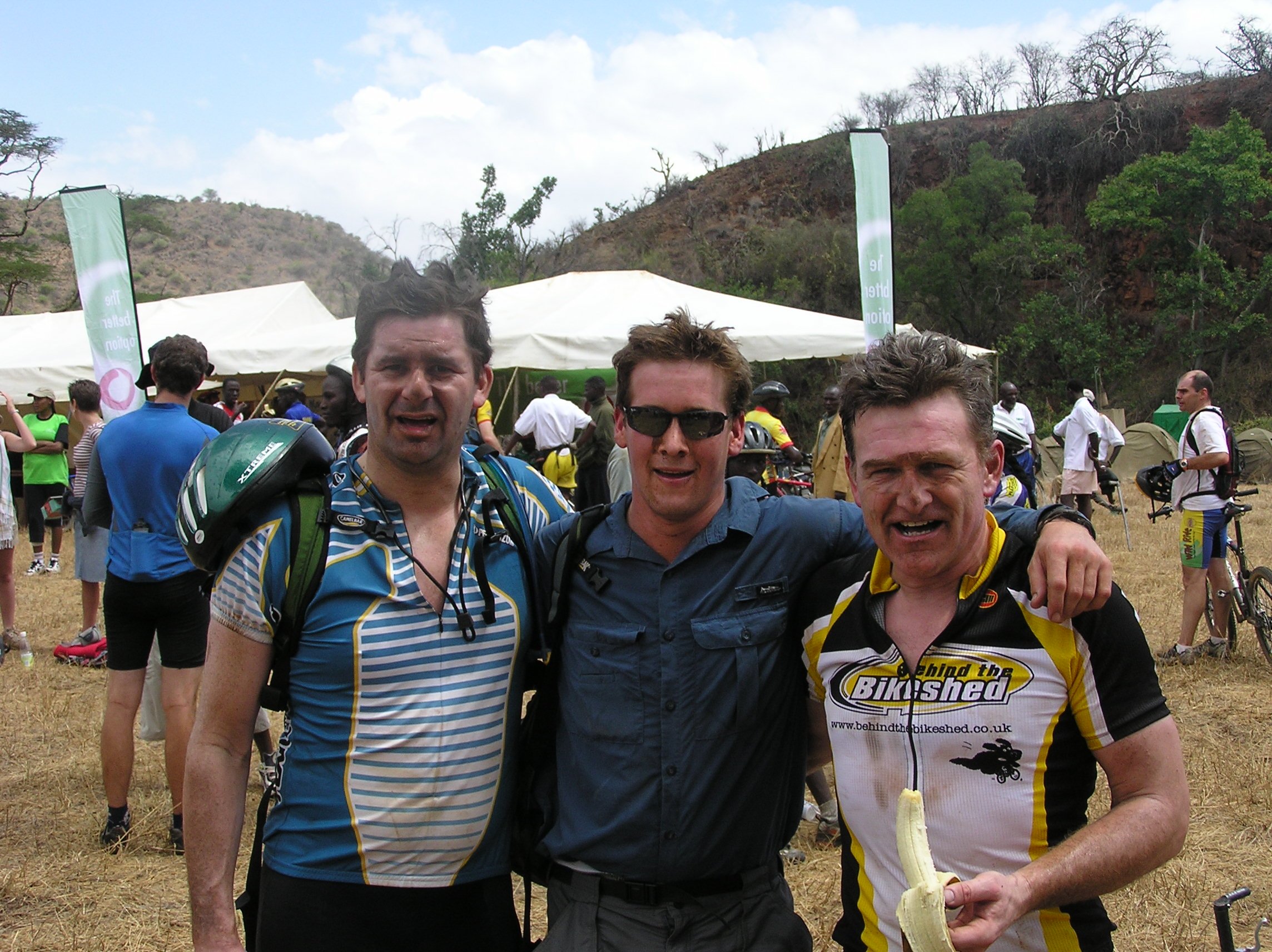
I rode Kenya's 10 to 4 Mountain Bike Challenge a rigorous ride starting at nearly 3000 meters, (10,000 feet), on the northern slopes of Mount Kenya, with a descent of 60km over demanding terrain.I used the race to fundraise specifically to help pay the salaries of teachers at Koiyaki.
That was important to me.
There is little point funding students if there isn't a properly functioning school with good teachers to educate them.
A few students after Mika came David Njapit.
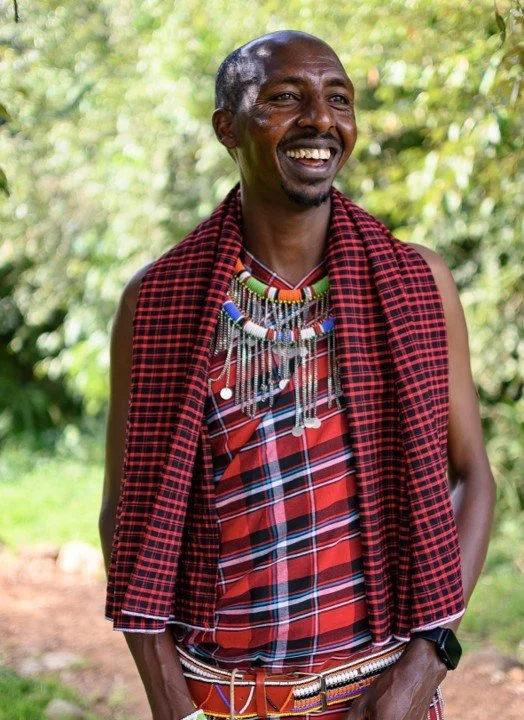
David Yiampoi Njapit
From memory, I believe David was around the third Aardvark-sponsored student,
David successfully completed Koiyaki and earned his Bronze guiding qualification. By this stage I had started making a slightly rash promise to some of the young guides we sponsored.
The Bronze qualification was the beginning of their career, not the end.
I would tell them:
“If you go away, get a job and manage to become a Silver Guide, I'll fly you to England and America.”
Silver was a serious step up, particularly at the time. There were relatively few Silver-qualified guides. As a silver guide there need sto be a minimum of 3 years of field experience and the exam is very rigorous.
I probably said it partly as encouragement without thinking too hard about what would happen if somebody actually did it.
David did.
Sometime later, an email arrived from him. His written English was still fairly limited at the time, but the message was essentially:
“I have my Silver guide. When can I come to England and America?”