

Sarara to Reteti: Conservation Led by the Samburu Community
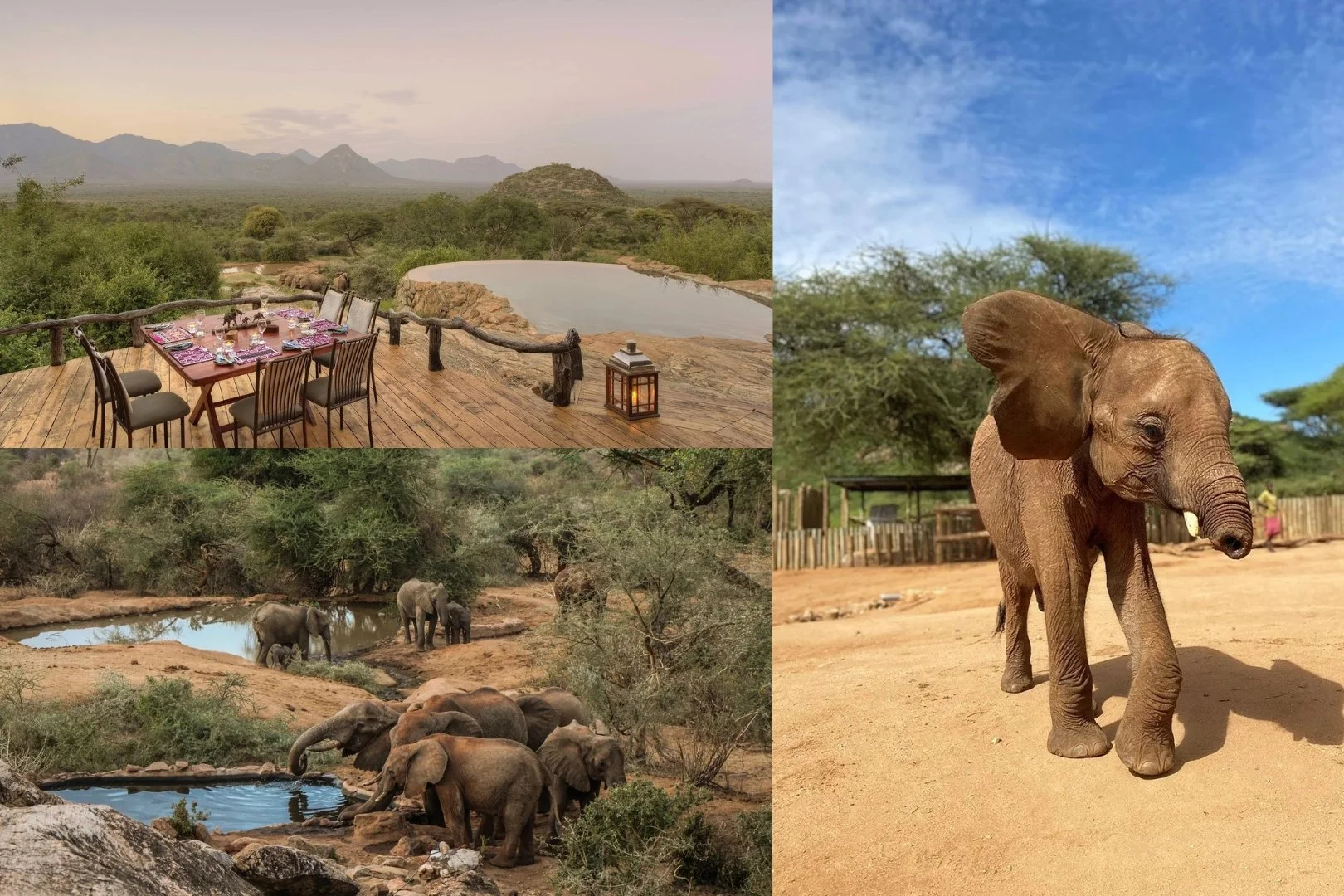
Many years ago, perhaps over 16 years ago now, I was flying around northern Kenya and had long wanted to visit a community-owned camp in the Matthews Range, set within 850,000 acres of wild, untouched landscape.
That camp was Sarara.
At the time, it was part of a growing movement. A camp fully owned and run by the local community. On paper, it ticked every box. Tourism revenue stays local. Jobs are created. And perhaps most importantly, when communities benefit directly, they become true custodians of their wildlife.
The reality back then, if I’m being honest, was a little more mixed. Being part of a local community doesn’t automatically make someone a great chef, host, or manager. Many early community camps struggled with consistency. Sarara, in its early days, had support from experienced managers to help guide things.
Today, that story has evolved. Sarara is now fully run by the local Samburu community, and remarkably, it works. Every member of staff is Samburu. And it shows, not in a polished, over-managed way, but in something far more meaningful. It feels real.
The journey in is part of the magic.
You fly into a private airstrip in a small aircraft, weaving through the folds of the Matthews Range. I’ve taken a lot of bush flights across Africa, and this remains one of my favourites. No roads, no buildings, no telephone lines. Just raw, uninterrupted wilderness stretching in every direction.
And then you arrive.
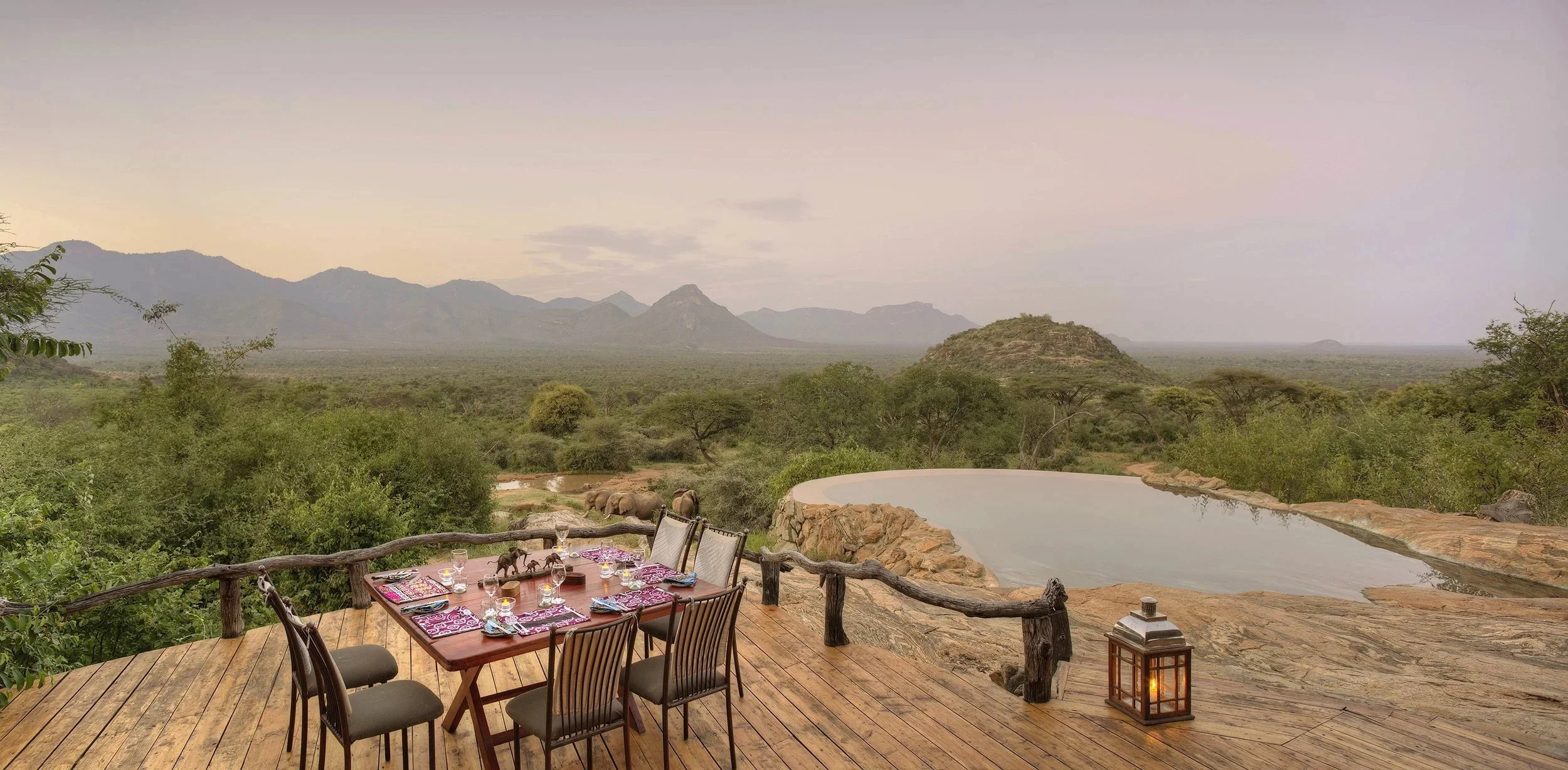
For anyone who has travelled to Kenya with me over the years, you’ll know I’ve tried to quietly “crowbar” Sarara into itineraries whenever I can. Not because it has the best wildlife in Africa, although it’s very good, but because that’s not the point.
You go for something else entirely.
Time with the Samburu people. Visiting their homes. Watching them bring cattle and goats to the famous singing wells. Conversations that aren’t staged. Moments that aren’t manufactured.
And in between all of that, yes, you’ll see elephants, leopard, and plenty more.
That alone would make Sarara special. But what has impressed me most over the last two decades is the consistency. Camps change. Managers move on. Standards fluctuate. Sarara hasn’t. Guest after guest comes back saying the same thing. It’s stayed true to itself.
If you want a sense of the place, it’s worth taking a look below.
Reteti Wildlife Sanctuary
Now, just 45 minutes away, there’s something new that has genuinely caught my attention.
The Reteti Wildlife Sanctuary is an elephant orphanage, but it’s far more than that.
It’s community-run. Locally staffed. Supported by non-profits. Even the milk used to feed the orphaned elephants comes from goats owned by local women, who are paid fairly for it.
Everything about it feels connected. Purposeful.
There’s a wonderful documentary by PBS called “Becoming Elephant: The Orphans of Reteti” that brings this story to life beautifully.
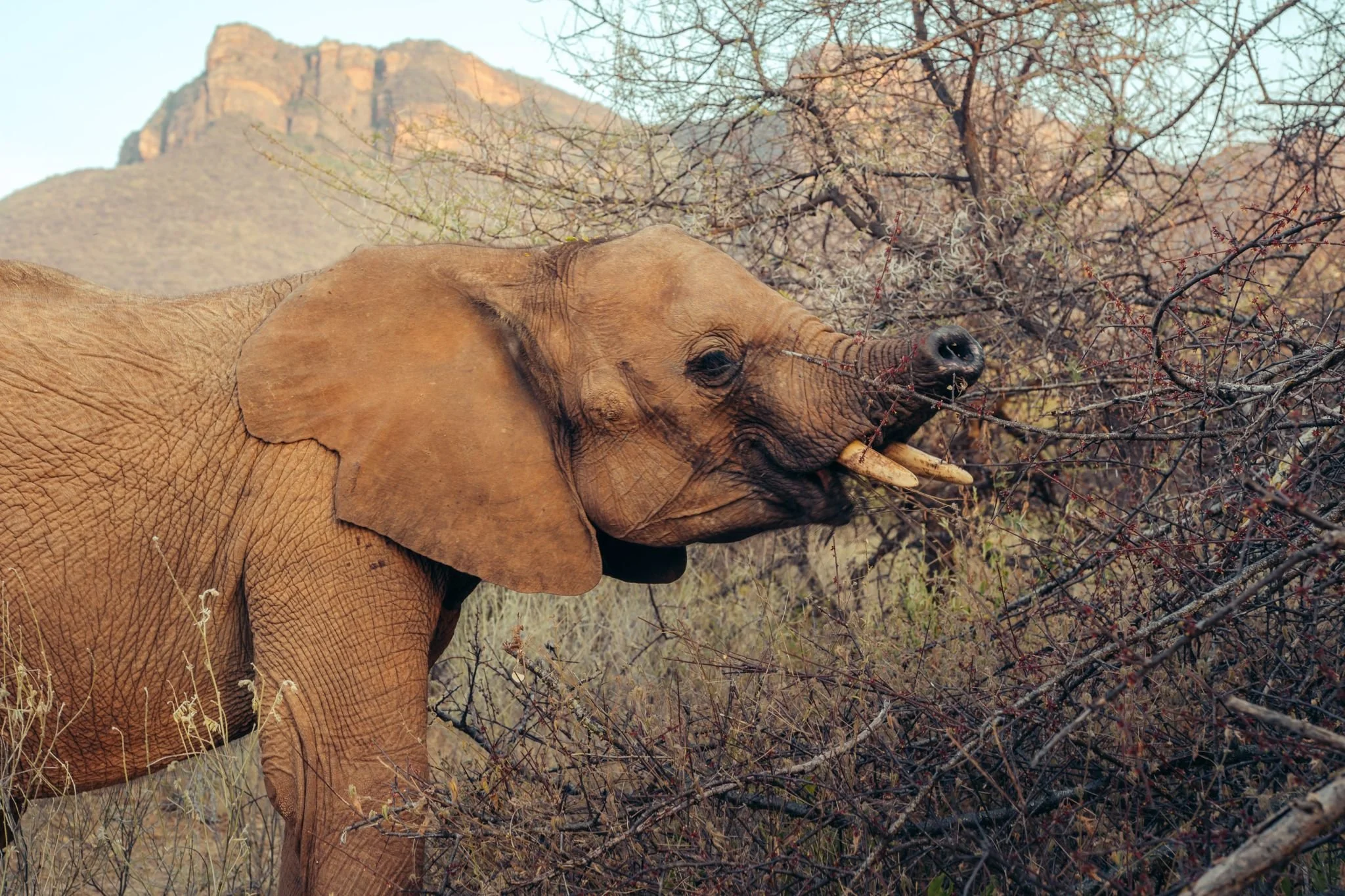
Take the time to watch it. Whether you’ve been to Africa or are just thinking about it, it captures something that’s increasingly rare.
Because here’s the truth. There are a lot of incredible lodges in Africa today. Some are extraordinarily luxurious. You’ll read about them in Condé Nast Traveler or Travel + Leisure and they’ll look spectacular.
And they are.
But what makes a safari truly memorable, the kind that stays with you long after you’ve returned home, is often found slightly off the beaten track. Places where the experience feels grounded, authentic, and quietly extraordinary.
Sarara is one of those places.
Reteti is another.
Watch the film… and then try telling me you don’t want to go and meet those baby elephants.