

The Official Gorilla Trekking Guide
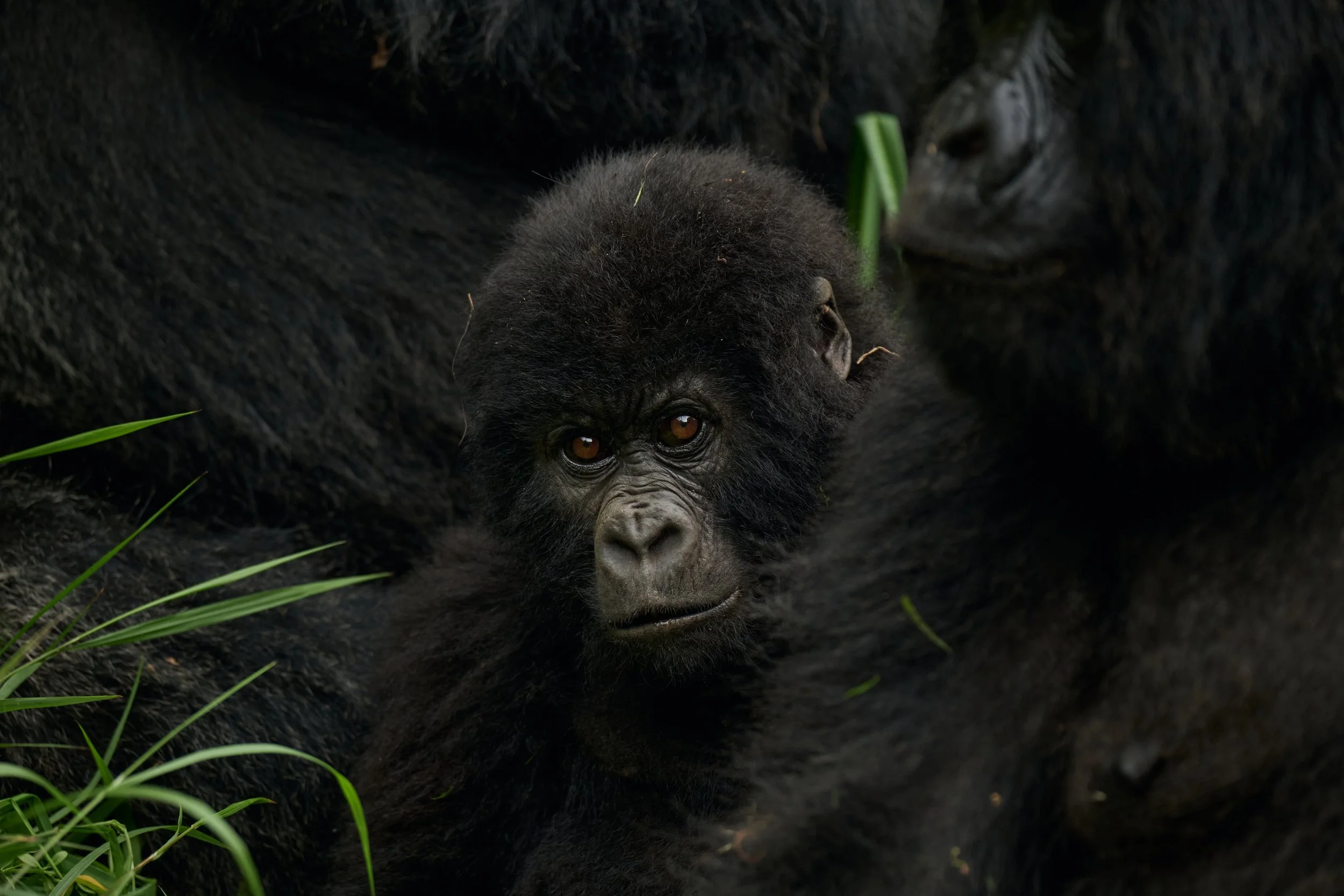
Like all the Experts I work with, I have been lucky enough to track gorillas several times across Uganda, Rwanda, and Gabon, and to arrange countless treks for guests over the last 30 years. I have never known anyone who did not absolutely love it. For many, it becomes one of the greatest highlights of their entire travelling life.
I have also — not wanting to tempt fate — never had a guest fail to reach their gorilla family. The teams on the ground are exceptional, and the rangers work tirelessly to locate the groups each morning before trekkers begin.
If gorillas are on your list, my advice is simple: Do it while you can, and savor every minute of it.
Gorilla trekking remains one of the most powerful wildlife experiences on earth. There is something profoundly moving about being so close to these intelligent, gentle creatures. Spending an hour with them is fascinating, exhilarating, emotional, and humbling all at once.
Part of the magic comes from the effort required to reach them. Unlike a traditional safari, you are not in a car. You walk. You climb. You scramble through mud, vines, steep slopes, tangled rainforest and streams. A trek can last anywhere from one hour to six. Most people of moderate fitness manage well, but it is the exertion that heightens the moment when you finally find them.
Trekking is tough. You must be prepared and well equipped. This guide is designed to make sure you are.
Below you will find all the answers to your questions:
Where to Go
Timing & Permits
What to Expect on the Trek
Fitness & Altitude
Porters & Community Impact
Preparing & Packing
Where Should You Go Gorilla Trekking?
1. Rwanda – Volcanoes National Park
The most accessible and polished gorilla-tracking experience in Africa.
Highlights:
· Dramatic volcano landscapes
· Mist-covered forests
· High success rates
· Shorter treks on average
· Excellent guiding and logistics
· Superb high-end lodges
Rwanda is ideal for travellers who want a seamless, luxurious, beautifully run experience.
2. Uganda – Bwindi Impenetrable Forest & Mgahinga
A wilder, more rugged alternative to Rwanda.
Treks here can be longer and more challenging, winding through dense, steep, muddy rainforest. The atmosphere is raw, immersive, and unforgettable. Uganda also offers the unique Gorilla Habituation Experience, allowing up to four hours with a semi-habituated group — an extraordinary level of insight for those particularly passionate about conservation and behaviour.
Uganda is perfect for serious wildlife enthusiasts and adventurous travellers willing to work harder for the reward.
3. Republic of Congo – Odzala–Kokoua National Park
For western lowland gorillas, this is unlike anywhere else.
Expect:
· Dense, tangled jungles
· Wading through rivers
· Remote, challenging landscapes
· Exclusivity: often only one trekking group in the entire area
This is an off-the-beaten-path adventure for guests with both the fitness and spirit for a more demanding expedition.
Planning Your Stay: Permits Explained
The ideal stay is 3 nights, which allows 2 trekking permits. Each trek provides a different experience — behaviour, lighting, location, and family composition vary daily.
· 1 hour with habituated gorilla family
· Serious hikers may choose to stay longer and explore additional trails, especially in Rwanda’s Virunga volcano chain.
Gorilla Habituation Trek
· Up to 4 hours with a semi-habituated family
· More conservation-focused
· More challenging but incredibly rewarding
What to Expect During the Trek
· Trekking time: 1–3 hours each way
· Terrain: muddy, steep, slippery, dense rainforest
· Walk at altitude: up to 9,800 feet (3000 metres)
· Once gorillas are found, visitors spend 1 hour with the family (unless on a habituation trek)
Expect to sweat, slip, scramble, laugh, and occasionally swear — and then forget all of it the moment you see your first gorilla.
Fitness and Altitude Considerations
· Build fitness with regular hill walking and resistance you need to be able to walk for 2-3 hours.
· Altitude affects everyone differently — slow and steady is essential.
· Rwanda generally offers shorter, easier treks than Uganda.
· Mobility challenges? You can still trek. “Sedan chairs” (locally known as stretchers) and additional porters can be arranged.
Hiring Porters & Community Impact
Hiring a porter is essential, not optional. The cost is around USD $20, paid directly to the porter. Hiring porters meaningfully contributes to conservation and community welfare.
Benefits:
o Helps you navigate obstacles
o Carries your pack
o Prevents injuries
o Supports local families and village rotation systems
Packing & Equipment Guide
You are trekking in a rainforest, it will be wet, muddy, and unpredictable. You must be prepared.
Essential Clothing
· Sturdy, worn-in hiking boots with ankle support
· Quick-drying trekking trousers
· Long-sleeved lightweight shirts
· Fleece or light insulated layer (cold starts, warm finishes)
· Lightweight waterproof jacket
· Waterproof trousers (optional but helpful)
Extra Essentials
· Gaiters (excellent for mud and insects)
· Sunhat, sunscreen, insect repellent
· Thick gloves (gardening gloves are perfect)
· Small waterproof daypack
· Dry bag for camera/phone
Photography Gear
· No flash photography allowed
· Spare batteries and memory cards
· Lens cloth (your lens will mist up)
· Smart Phones work very well
Ready to Start Planning?
If you’ve made it this far, you’re ready to experience gorilla trekking for yourself. Reach out and I will personally connect you with the right Expert to begin planning your journey.
Gorilla trekking is truly a once-in-a-lifetime opportunity to stand face to face with these extraordinary beings and experience nature in its most raw and powerful form. The setting, the guides, and where you stay make all the difference.
Whether you choose Rwanda, Uganda, or the Republic of Congo, I’ll ensure you have the right adventure for you.