

Baja Mexico: A Reminder of What Real Travel Is About

What really drew people to travel in the modern world — particularly from the early 20th century and especially after the Second World War — was the desire to see the planet’s most magnificent and iconic places.
People wanted to witness great wildlife, dramatic landscapes, ancient temples, tribes, treasures, and cultures very different from their own.
For many years, people like me have sent travelers to Africa to see wildlife roaming across vast landscapes and to meet some extraordinary people. Others travel to Asia to explore temples, traditions, and ancient civilizations. Some venture to the North or South Pole simply to stand at the edge of the world.
There was always a reason for this yearning. It was about genuine, authentic travel. More recently, something has shifted.
Luxury, lifestyle, and sometimes a little bit of bragging have started to take center stage in travel. And while I send many clients around the world in very luxurious circumstances, deep down I still believe that authentic experiences — the kind that feel real and grounded — are the ones we remember most.
Which brings me to Baja California.
Baja: One of the World’s Great Natural Destinations
I have just returned from my sixth trip to this remarkable region, and every time I go back I’m reminded how special it really is.
In the 1970s, Jacques Cousteau famously called the Sea of Cortez “the world’s aquarium.”
Once you spend time here, it is easy to see why.
Each winter the waters around the Baja Peninsula become a sanctuary for whales migrating thousands of miles from Arctic waters to the warm lagoons of Mexico. These protected bays provide the perfect place to mate, give birth, and rest before beginning the long journey north again.
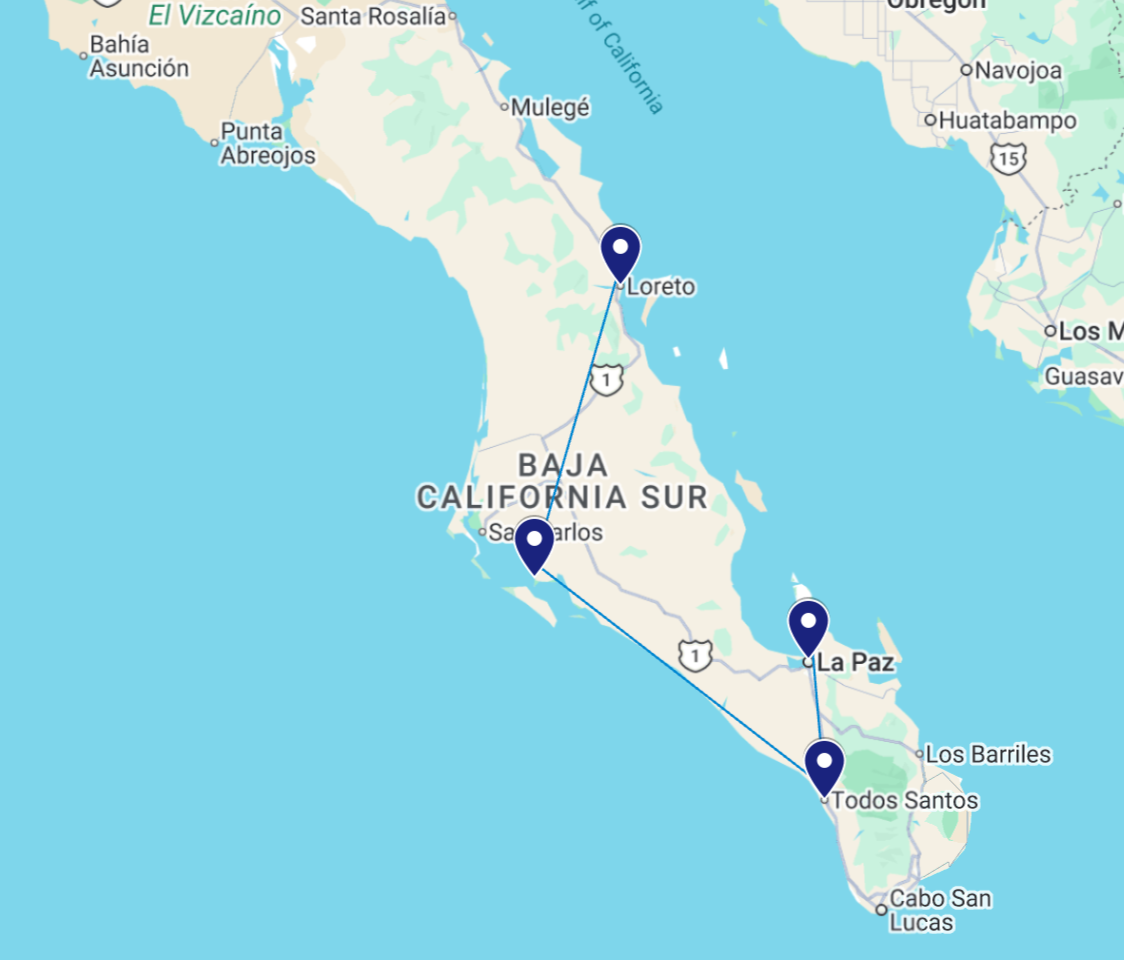
During a recent journey we explored several corners of Baja — La Paz, Todos Santos, Magdalena Bay, and Loreto — each offering something different, yet all connected by extraordinary marine life.
La Paz – Gateway to the Sea of Cortez
Most journeys begin in La Paz, a relaxed seaside town on the edge of the Sea of Cortez.
From here you can explore the nearby islands, including the beautiful Espíritu Santo Island, a protected national park famous for its turquoise bays, volcanic cliffs, and abundant marine life.
Depending on the time of year, it’s possible to encounter an extraordinary variety of wildlife here, including:
whale sharks
humpback whales
gray whales migrating along the coast
large pods of dolphins
sea lions and flying rays
Snorkeling with sea lions around Espíritu Santo is particularly memorable and often a highlight for visitors.
Back in town, La Paz offers a lively waterfront promenade, excellent seafood restaurants, and a laid-back atmosphere that immediately puts you in Baja mode.
Todos Santos – Baja’s Artistic Soul
An hour away lies Todos Santos, a colorful historic town filled with galleries, boutique hotels, and excellent restaurants.
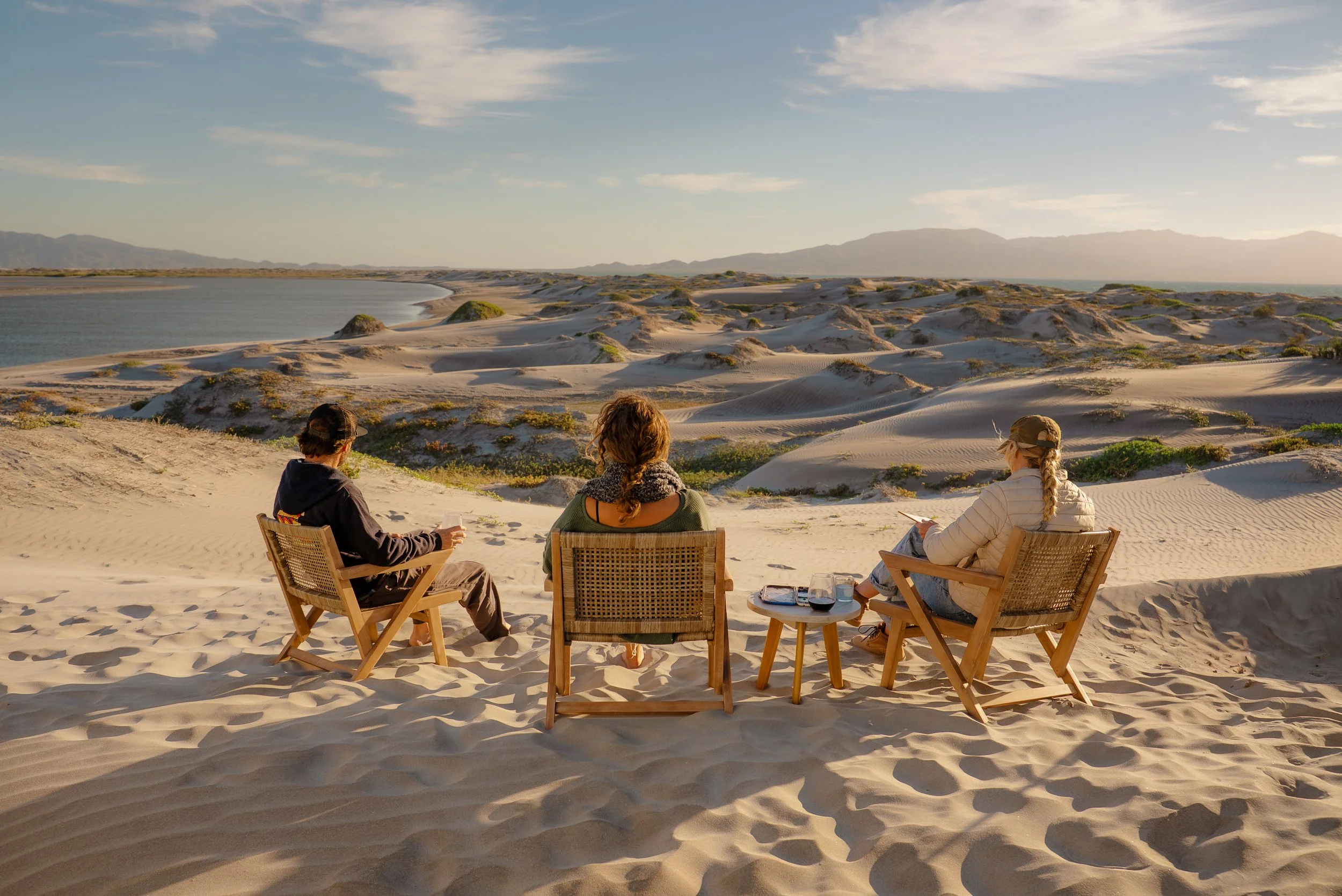
It feels wonderfully relaxed and creative. The nearby Pacific beaches are wild and dramatic, providing a striking contrast to the calm waters of the Sea of Cortez.
Magdalena Bay – Gray Whale Encounters
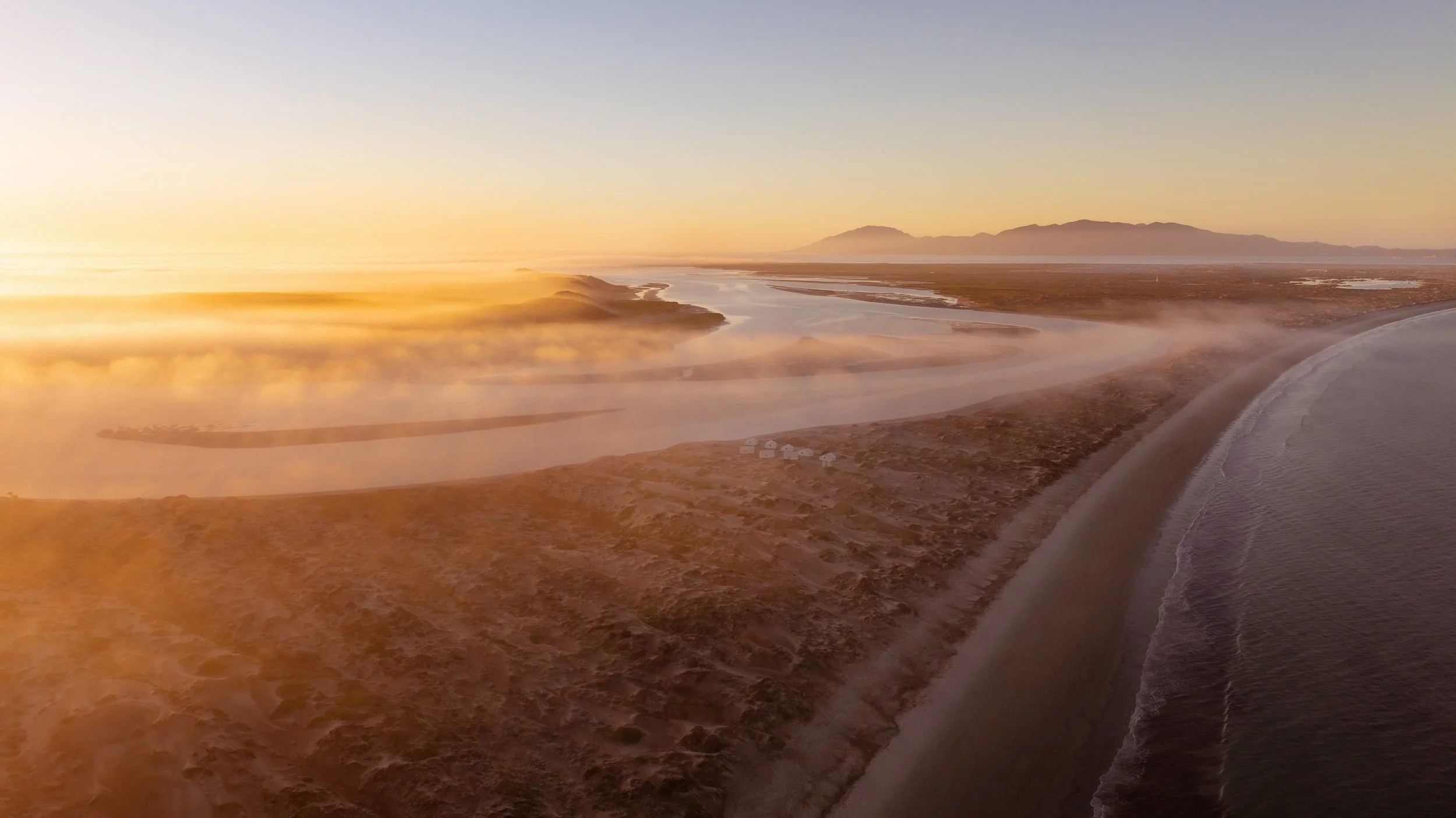
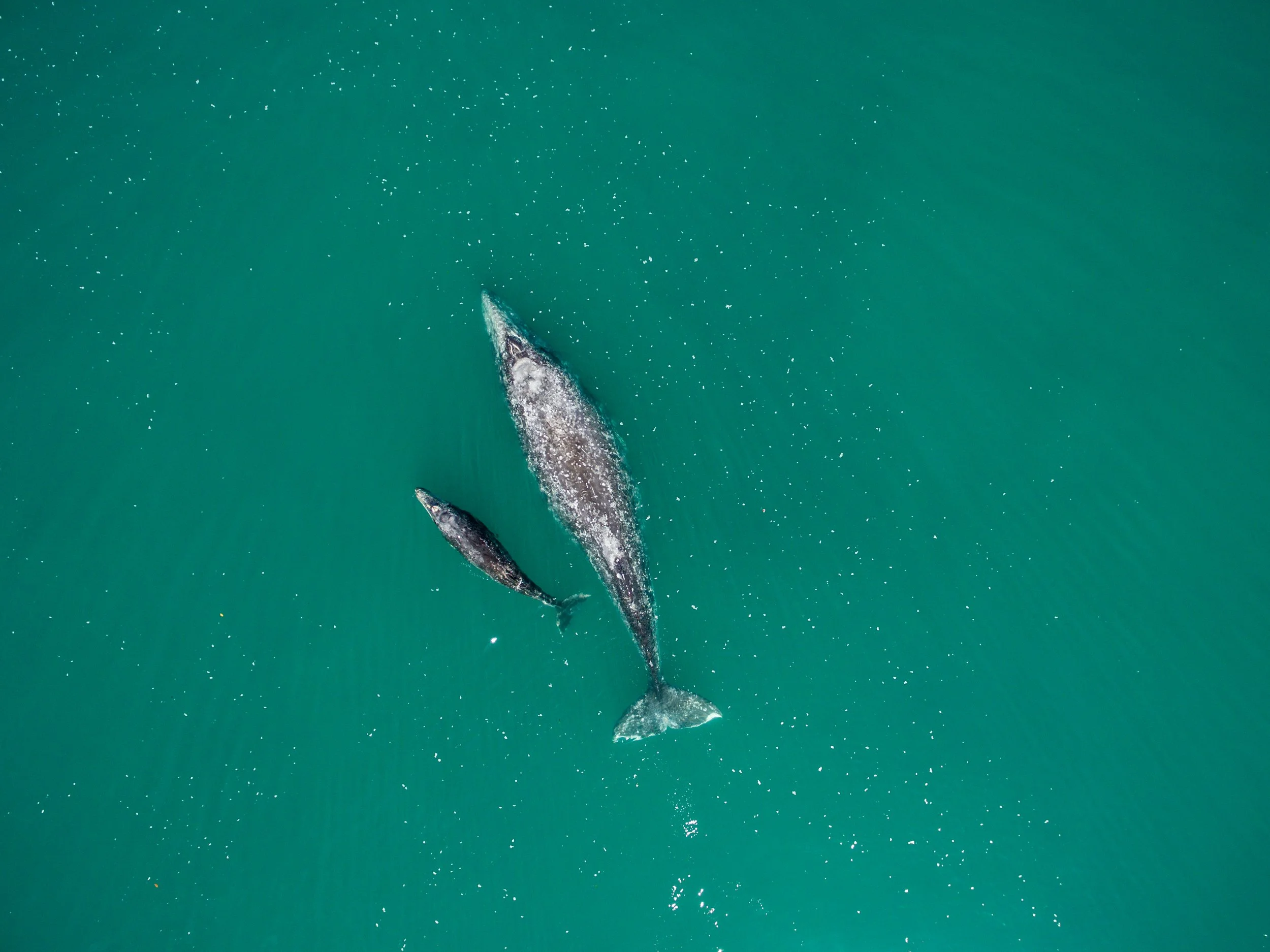
The highlight of this particular trip was Magdalena Bay, one of the most important gray whale breeding lagoons in the world.
Every year gray whales migrate more than 6,000 miles from the Arctic to reach these calm lagoons. Here they mate, give birth, and socialize.
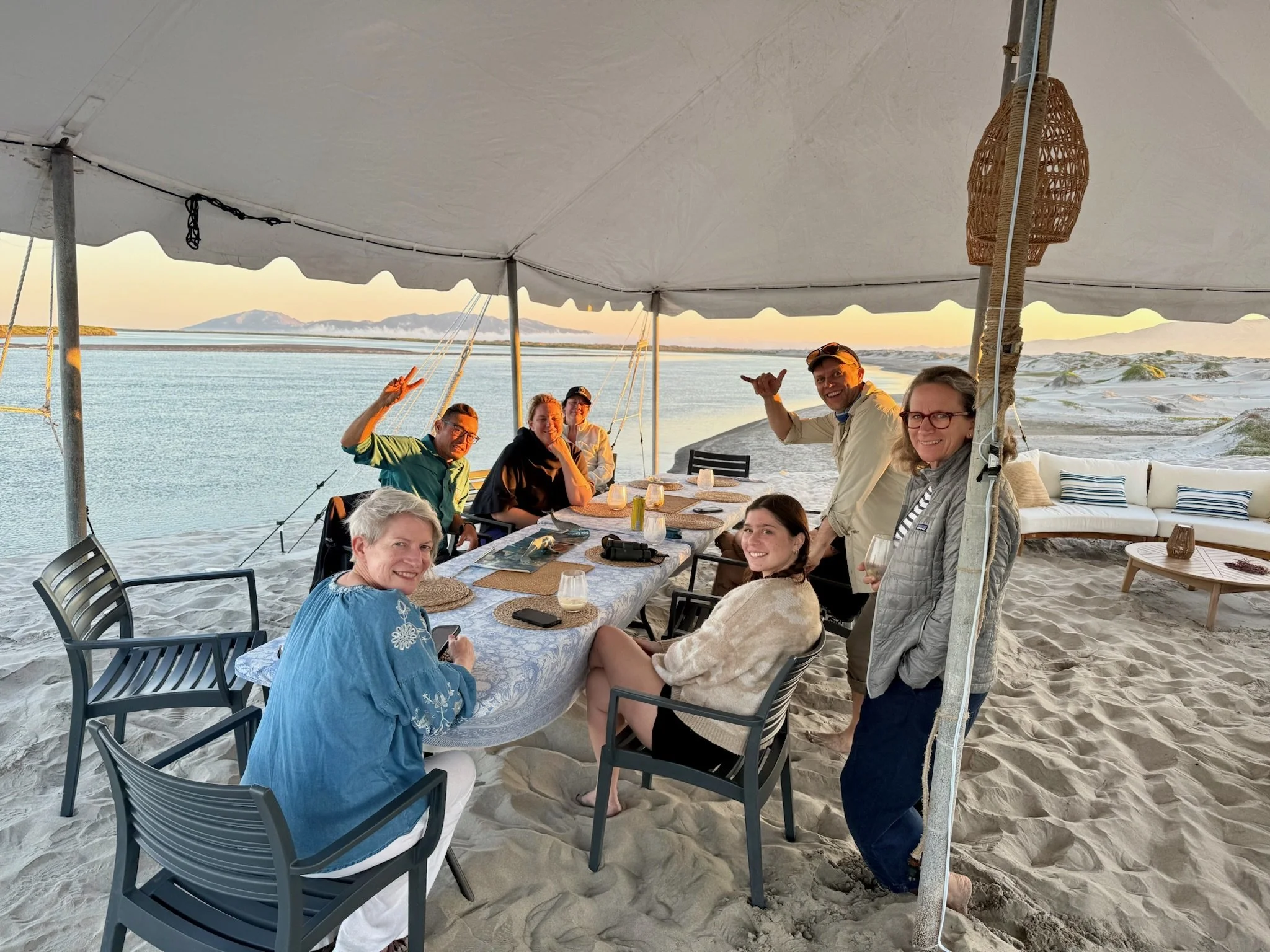
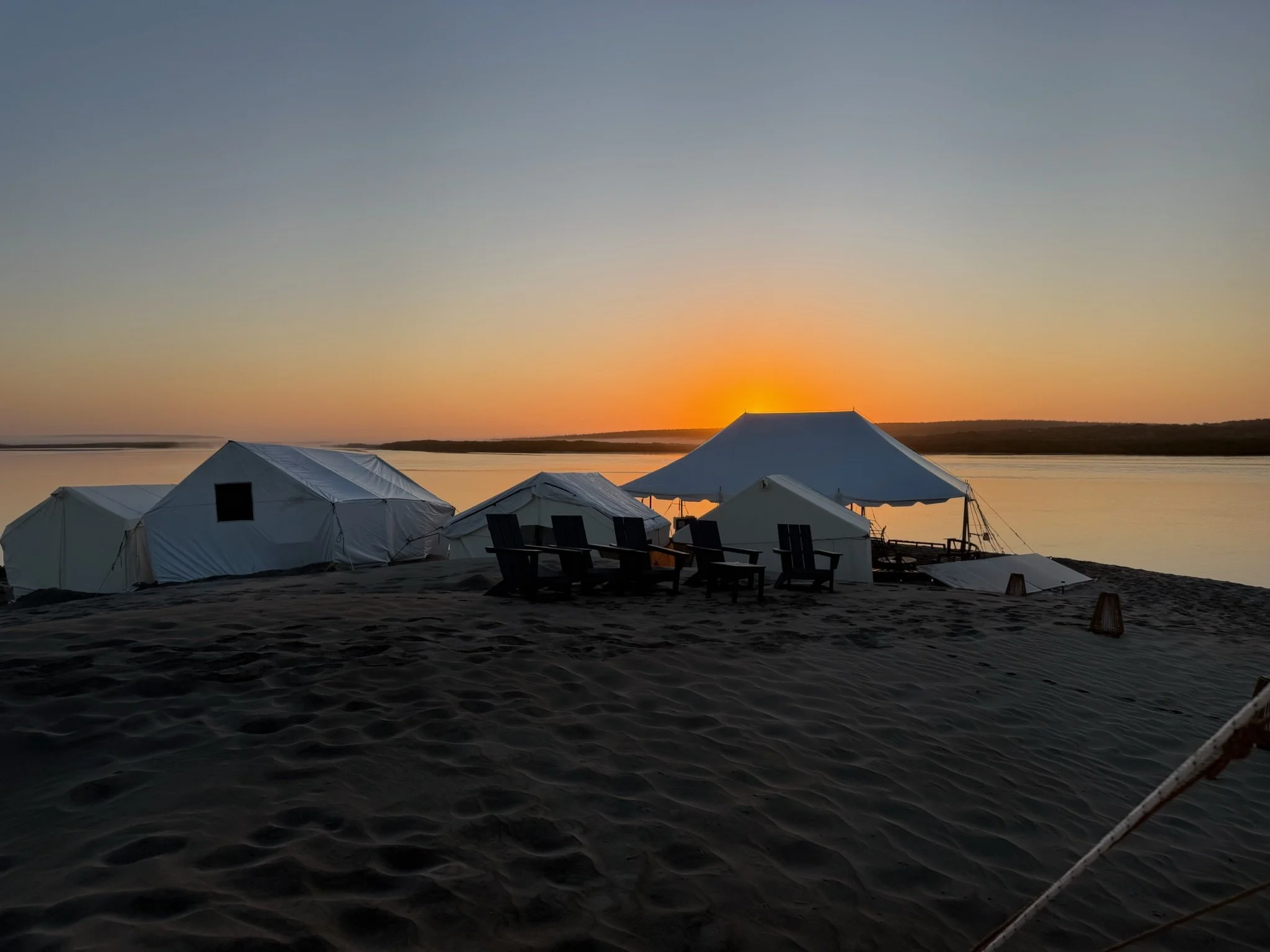
We stayed at Camp Cecil de la Bahia, an extremely comfortable tented camp tucked into a remote corner of the bay. The camp is simple but beautifully done — safari-style tents, great food, warm hospitality, and a true sense of wilderness.
From small pangas we headed out onto the water and found ourselves surrounded by whales.
Mothers and calves surfaced beside the boats. Curious adults approached to investigate us. Breaches and tail slaps seemed to happen everywhere you looked.
It is one of the most intimate whale encounters you can experience anywhere in the world.
Loreto – The Realm of the Blue Whale
We finished the trip in Loreto, a charming town perched on the edge of the Sea of Cortez.
While many marine species pass through these waters, the real highlight here is the blue whale, the largest animal ever to live on Earth.
Watching one surface is a moment of quiet awe. The sheer scale of the animal — the slow rise of its back and the deep exhale of its breath — makes you feel incredibly small.
And it reminds you just how remarkable our planet is.
What Makes Baja So Special
What makes Baja extraordinary is the sheer concentration of wildlife.
Within just a few days it is possible to see:
Blue whales
Gray whales
Humpback whales
Whale sharks
Massive pods of dolphins
Flying rays
Huge colonies of sea lions and seals
Frigate birds and blue-footed boobies
It is, quite simply, Mexico’s version of the Galápagos.
And yet the accommodations here remain refreshingly authentic.
Forget Cabo for a moment — beautiful though it is — which has become dominated by large luxury resorts.
As soon as you travel north of Cabo to Todos Santos, La Paz, Loreto, and Magdalena Bay, the experience changes dramatically.
Hotels are comfortable rather than flashy. Some are charming boutique properties, others are small eco-lodges or remote safari-style camps.
They are simple.
They are personal.
And my goodness, they deliver.
A Reminder of Why We Travel
Places like Baja remind us what travel used to be about.
Not just luxury. Not just status. But discovery, wildlife, landscapes, people.
Moments that make us feel something real.
If you want authentic travel, extraordinary wildlife, and a sense of adventure that still feels personal and unspoiled, do yourself a favor:
Go to Baja.
And remember what travel is really about.