

Why Botswana Stays With You
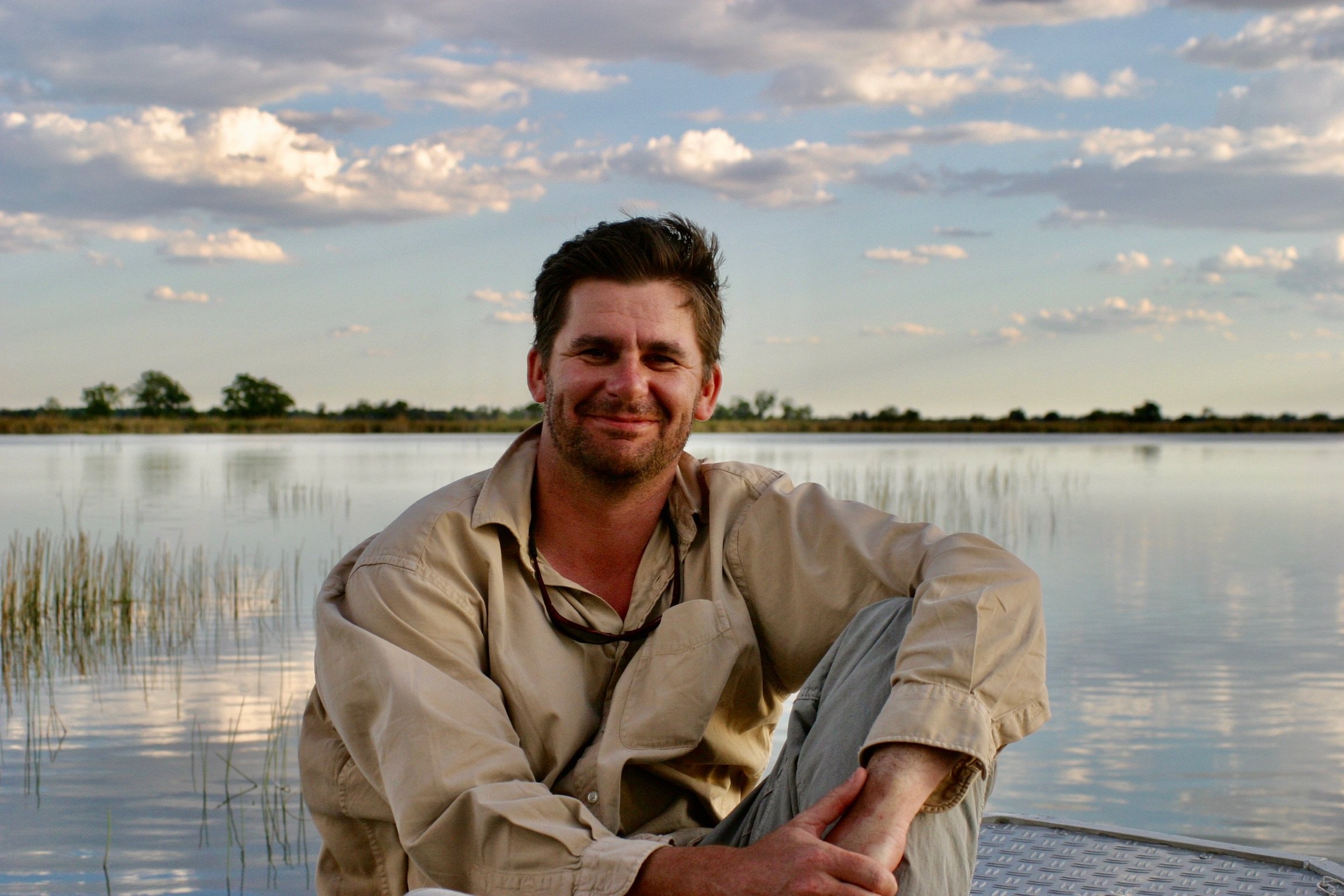
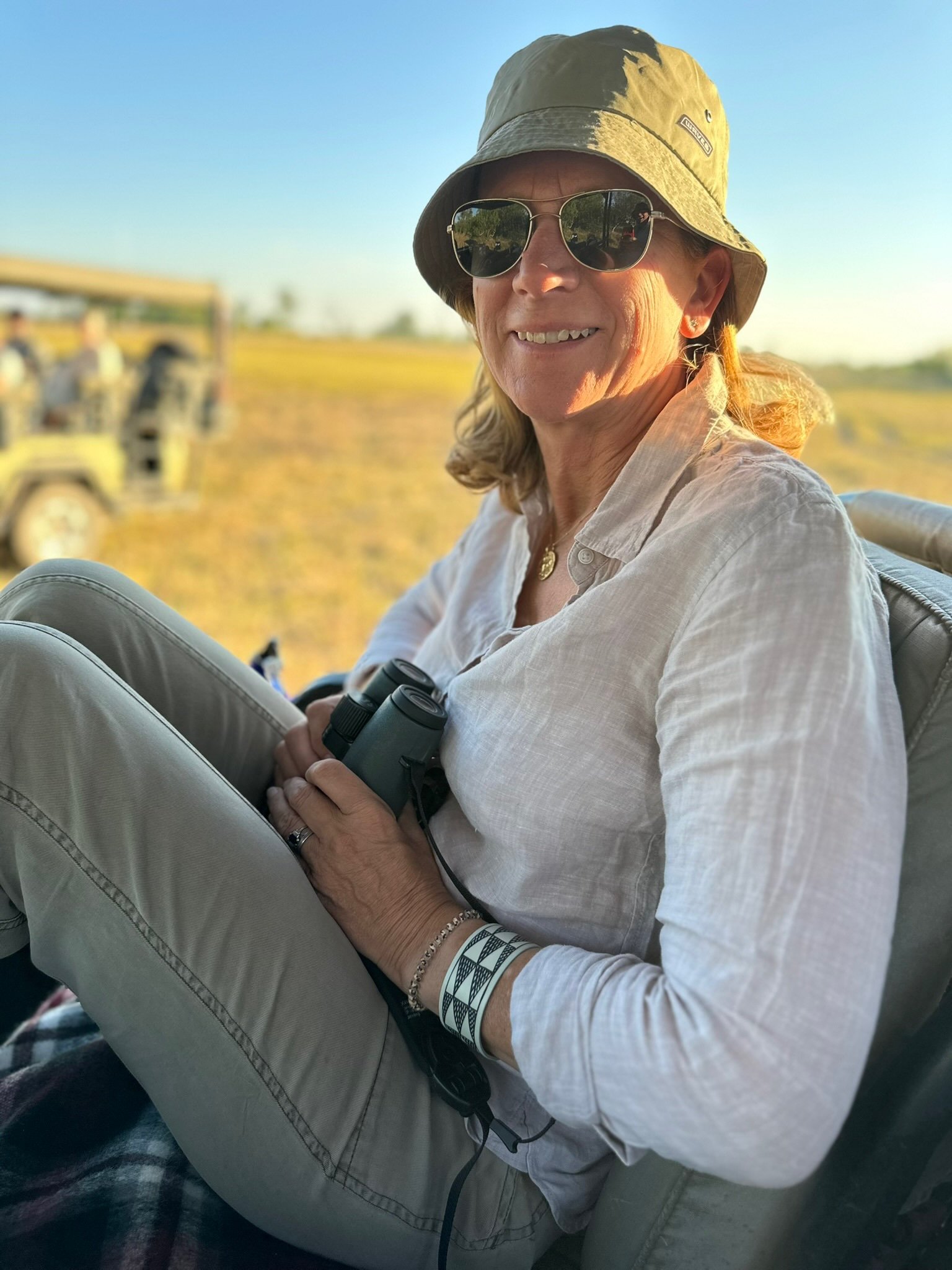
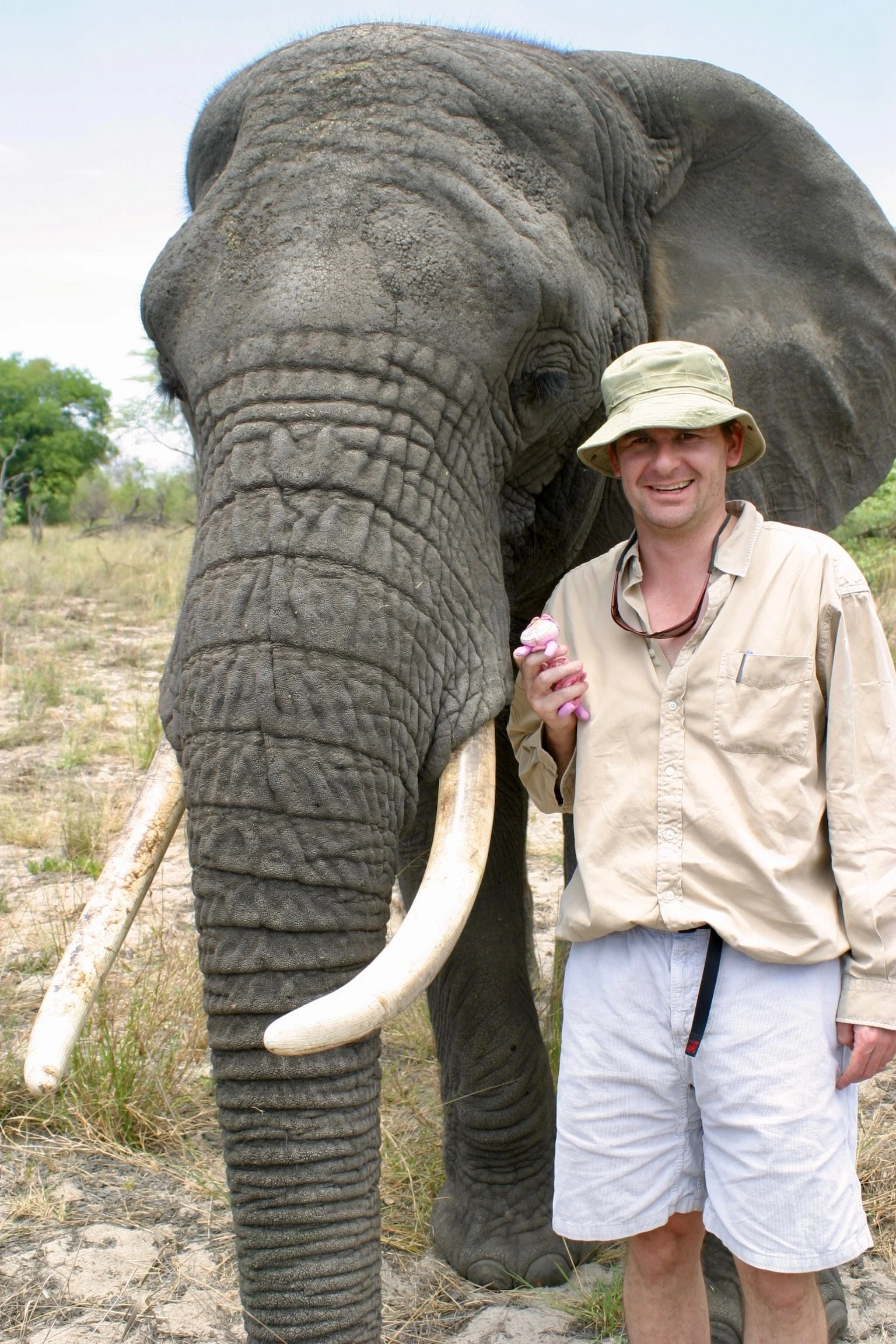
I’ve probably visited Botswana more than any other African country. The first time was back in my early twenties — a DIY self-drive camping trip with my then-girlfriend, now-wife Emma. No GPS, just a paper map, an adventurous spirit, and a sense of wonder. I’ve since returned in my 30s, 40s, 50s — and every trip has been magical in its own way.
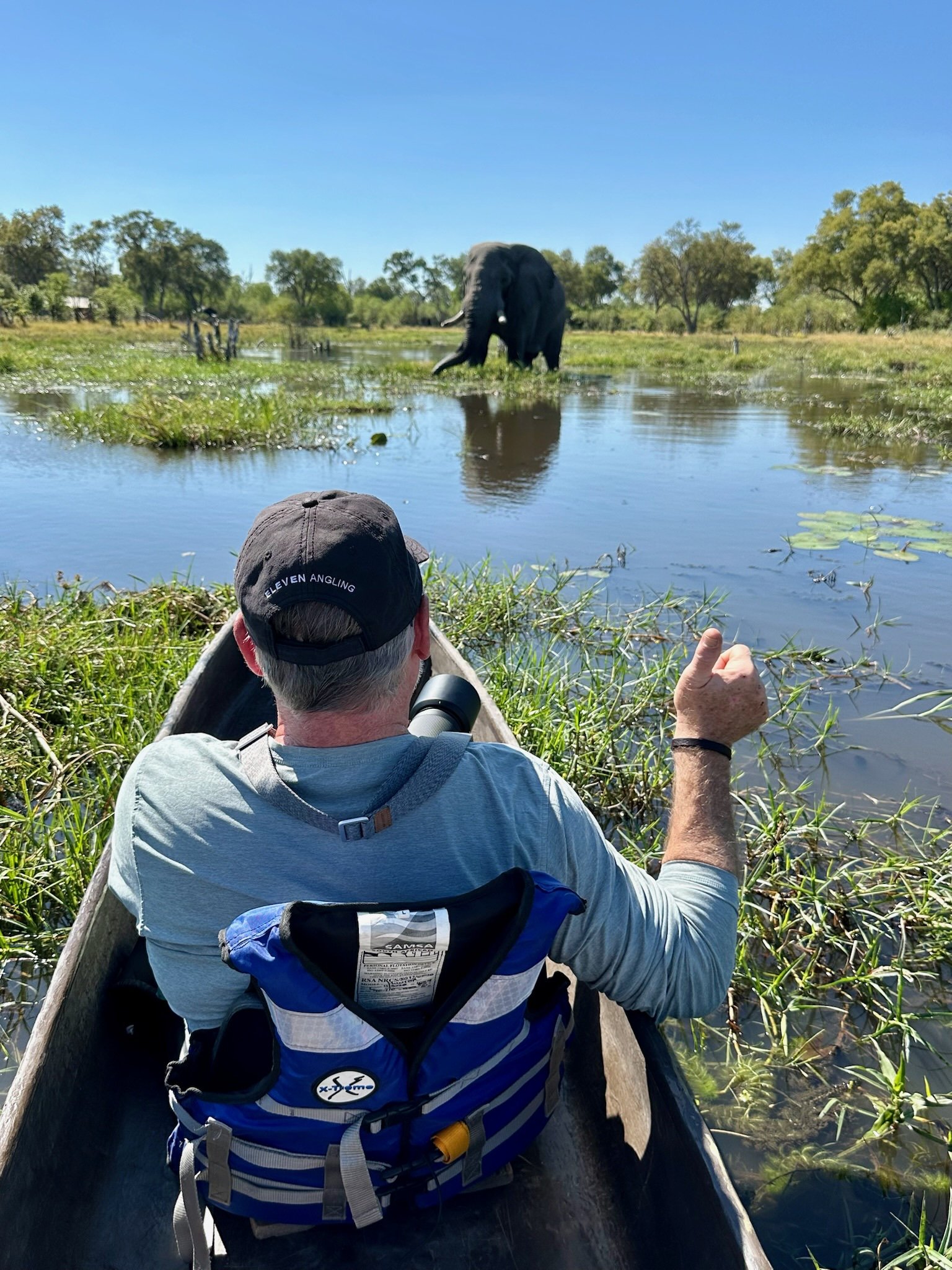
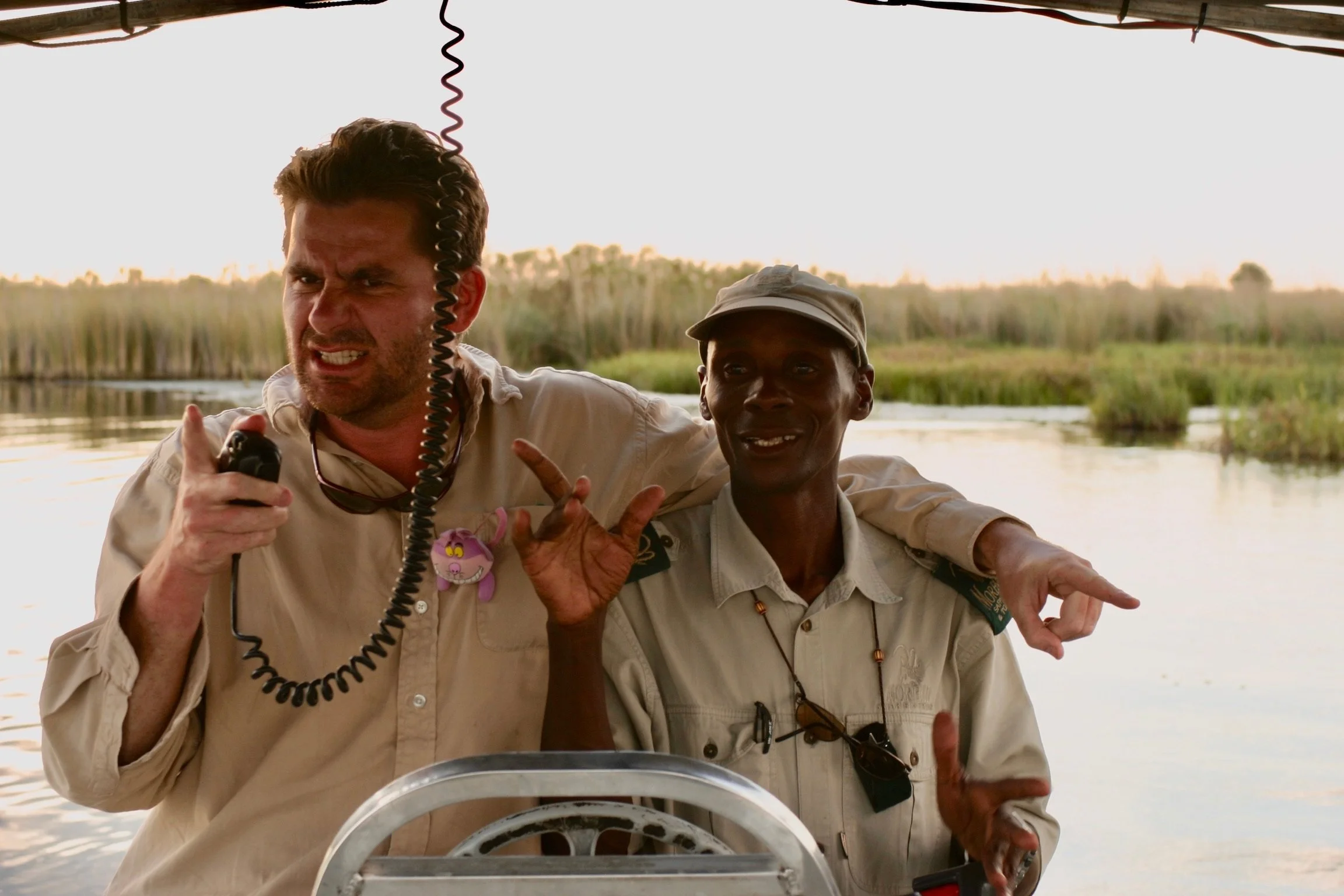
Over the years I’ve guided clients, hosted journalists and travel agents, and stayed everywhere from rustic mobile camps to some of the most luxurious lodges on the planet. I’ve explored the country by motorboat, dugout mokoro canoe, game vehicle, horseback, and on foot — and no matter how you experience it, Botswana always delivers something extraordinary.
The Magic of the Okavango
Botswana’s most famous landmark is the Okavango Delta — a vast inland delta where the Okavango River spills into the heart of the dry Kalahari Desert. Unlike most deltas, it never reaches the sea. Instead, it creates a lush oasis teeming with life, surrounded by arid wilderness. The result is an incredible concentration of wildlife — one of the richest ecosystems on earth.
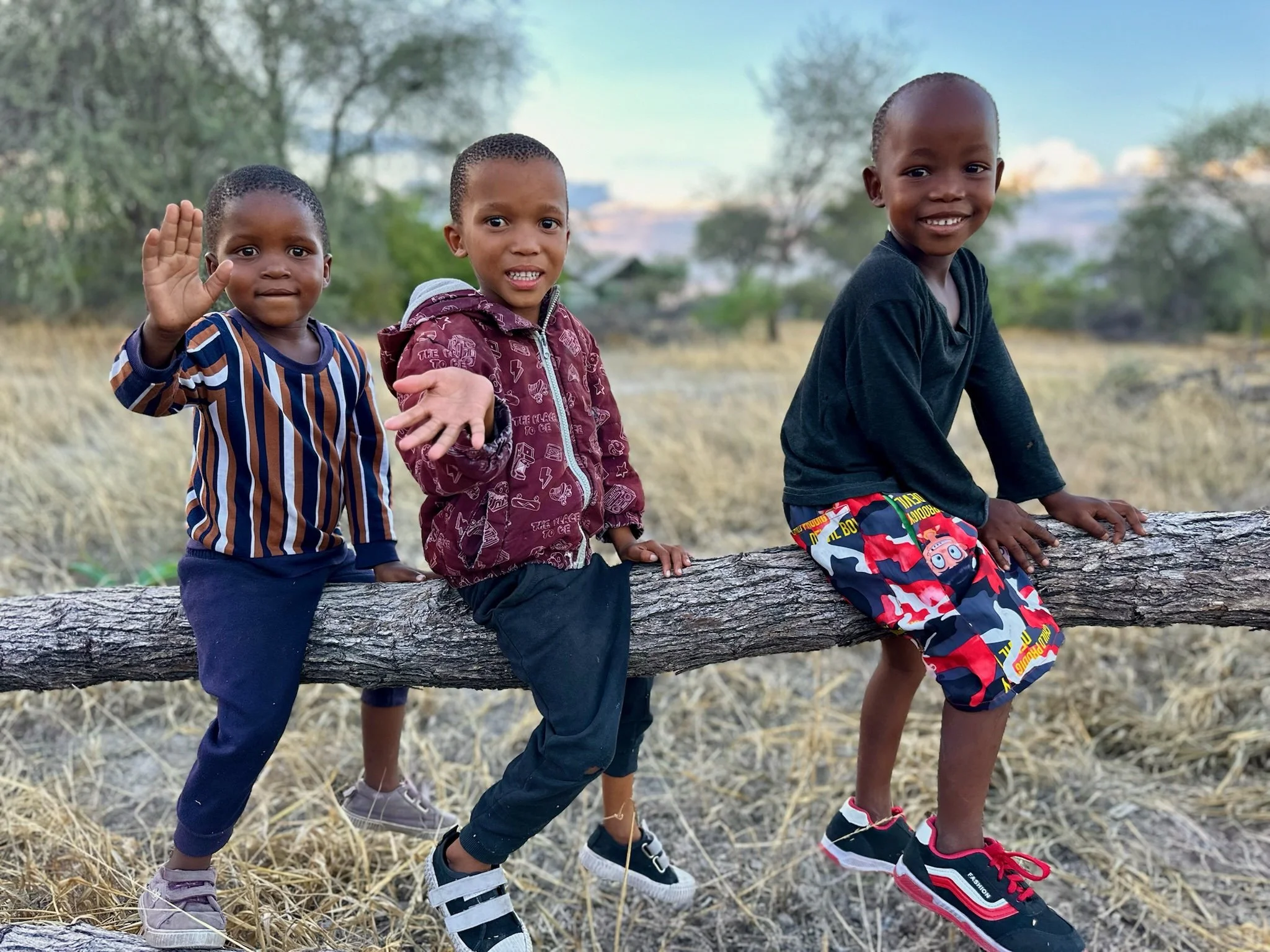
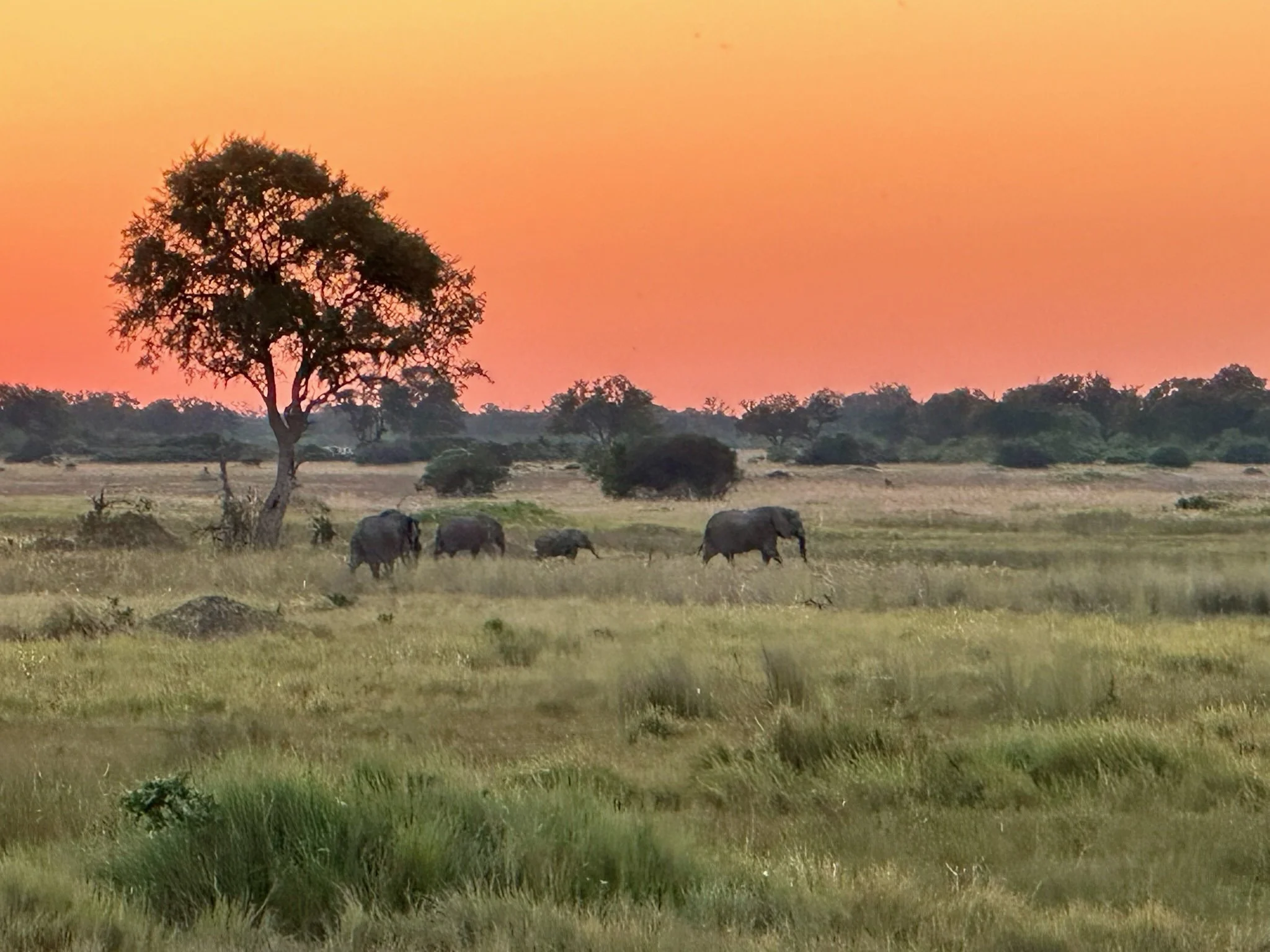
Botswana is also home to the largest population of elephants anywhere on the planet. Yet it has just 2.2 million people — spread across a country the size of France or Texas — making it one of the least densely populated nations in the world.
Add in a strong democracy, a stable economy (fueled by diamonds, agriculture, and tourism), and a low-impact, high-value tourism model, and you’ve got one of Africa’s greatest conservation success stories.
Why Travel Here?
Quite simply, the wildlife. The sheer diversity you’ll see on a single game drive can rival an entire week elsewhere. From the mopane woodlands of Chobe to the haunting salt pans of Makgadikgadi and the wide-open landscapes of the Central Kalahari, every region offers something different.
Botswana doesn’t have soaring mountains or a coastline, but it has something far rarer: unspoiled, free-roaming wildlife on a scale that’s increasingly hard to find.
Yes, it can be expensive — but that’s by design. Botswana limits visitor numbers to preserve its wilderness, which means no crowded sightings, no convoys of vehicles — just you and a few others quietly witnessing nature at its best.
Mobile Safari: The Classic Way
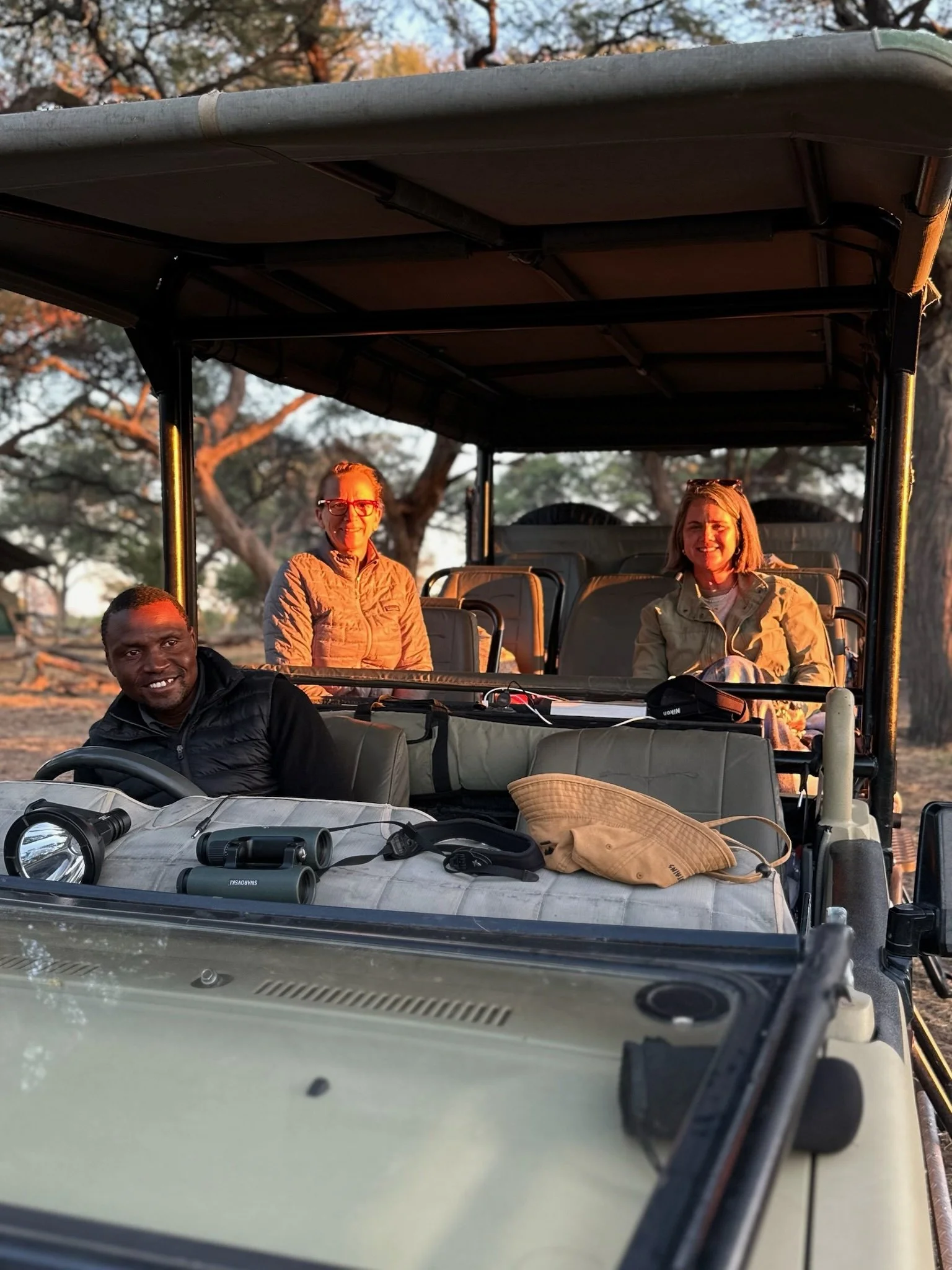
On my most recent trip, I returned to one of my favorite ways to explore: a private mobile safari. Our guide and crew built a bespoke camp for us in remote, wild locations. No WiFi, no generators, just canvas, campfires, and total immersion in nature. For travelers who value privacy and adventure, this is still one of the purest and most rewarding ways to experience Africa.
Before heading off on mobile, we also enjoyed a bit of luxury — with stays at Meno a Kwena, perched on the edge of the Makgadikgadi, and Tuludi Camp in the private Khwai Reserve. Both were exceptional, each in their own way.
When to Go
You can visit Botswana year-round. I think I’ve been there in just about every month, and not once have I left disappointed. The wildlife is consistently brilliant, and each season has its own highlights — from the green flush of summer to the crisp, dry winters with clear skies and epic game viewing.
If you’ve ever dreamed of going on safari — or want to understand how Botswana compares to other African destinations — give me a call. I’d love to help you plan something truly special.