

The Roof of Africa: What 30 Years of Sending Guests to Kilimanjaro Has Taught Me
As long as I’ve been helping plan trips to Africa, which now slightly ages me as it’s well over 30 years, certain places on the continent have always stood out as truly iconic.
Think of the great travel images that define Africa: the elegant city of Cape Town beneath Table Mountain, the waterways of the Okavango Delta, the thunder of Victoria Falls on the Zambezi River, the wildlife-filled floor of the Ngorongoro Crater, the sweeping plains of the Serengeti and Masai Mara, the mountain gorillas of Volcanoes National Park and Bwindi Impenetrable Forest, or the endless sands of the Sahara Desert.
There are many others of course.
But one image seems to appear everywhere. In films. Wildlife documentaries. Coffee table books. Safari brochures.
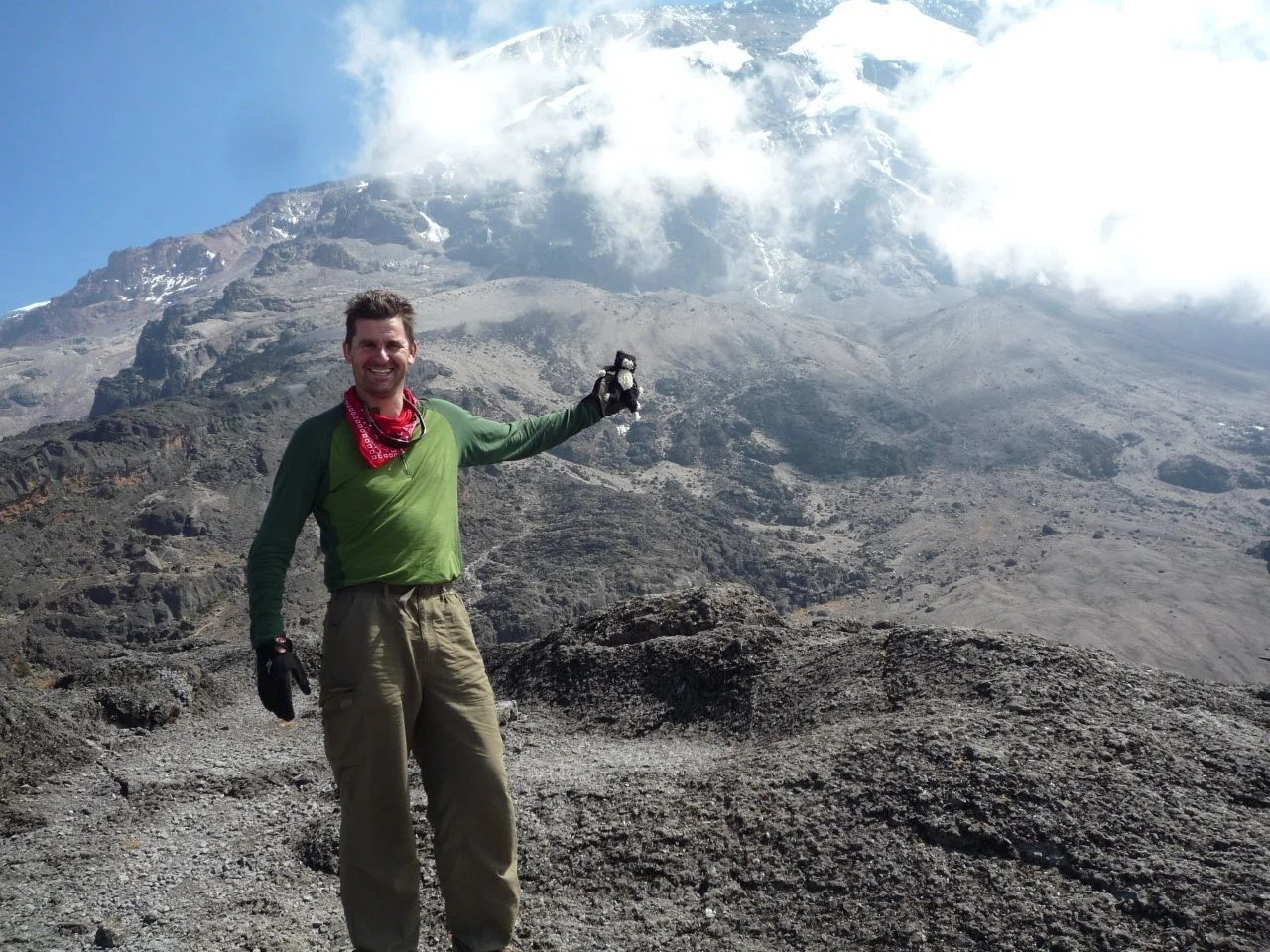
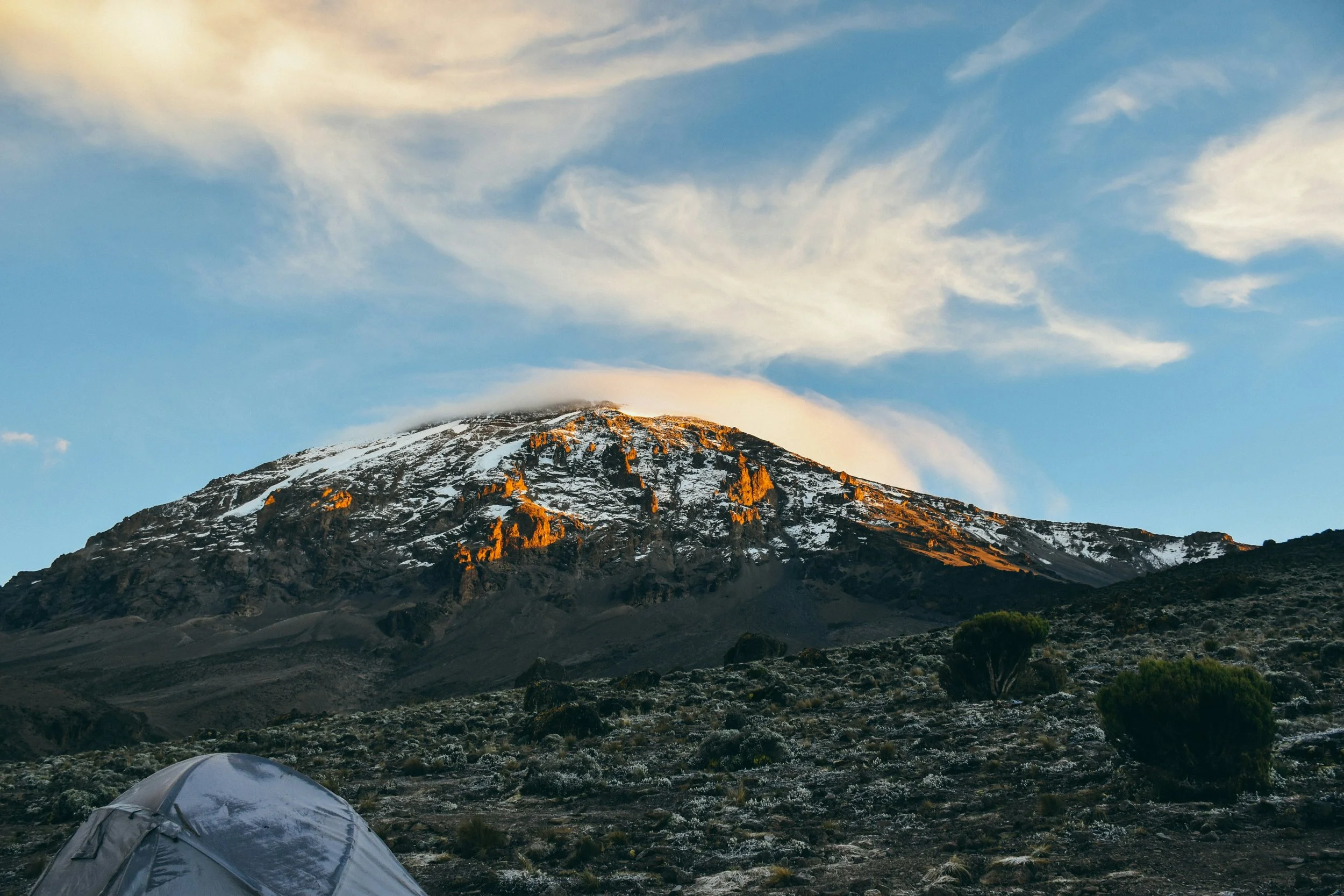
The unmistakable snow-capped silhouette of Mount Kilimanjaro rising above the plains of Tanzania.
If you help plan trips to Africa for a living, you really ought to know a little about Kilimanjaro.
A Mountain That Feels Both Epic and Achievable
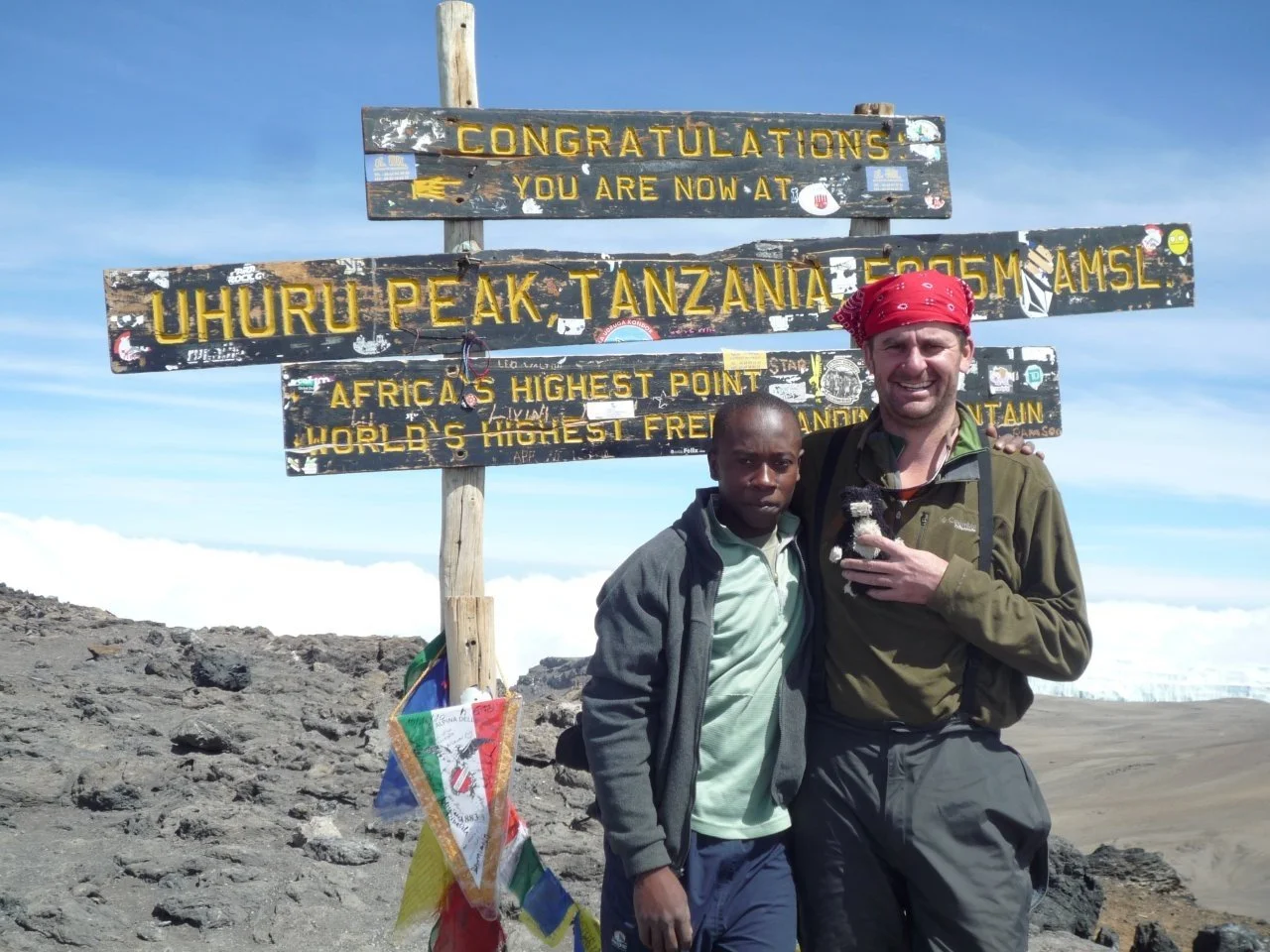
Kilimanjaro is the tallest mountain in Africa, standing at 5,895 metres (19,341 feet).
It is also the highest free-standing mountain in the world, rising directly from the surrounding plains rather than from a major mountain range.
What makes Kilimanjaro particularly special is that you do not need technical climbing skills. No ropes, no ice axes, no mountaineering experience.
You simply need determination, good guidance, and the right pace.
That accessibility is one reason it has become one of the most sought-after trekking challenges on the planet.
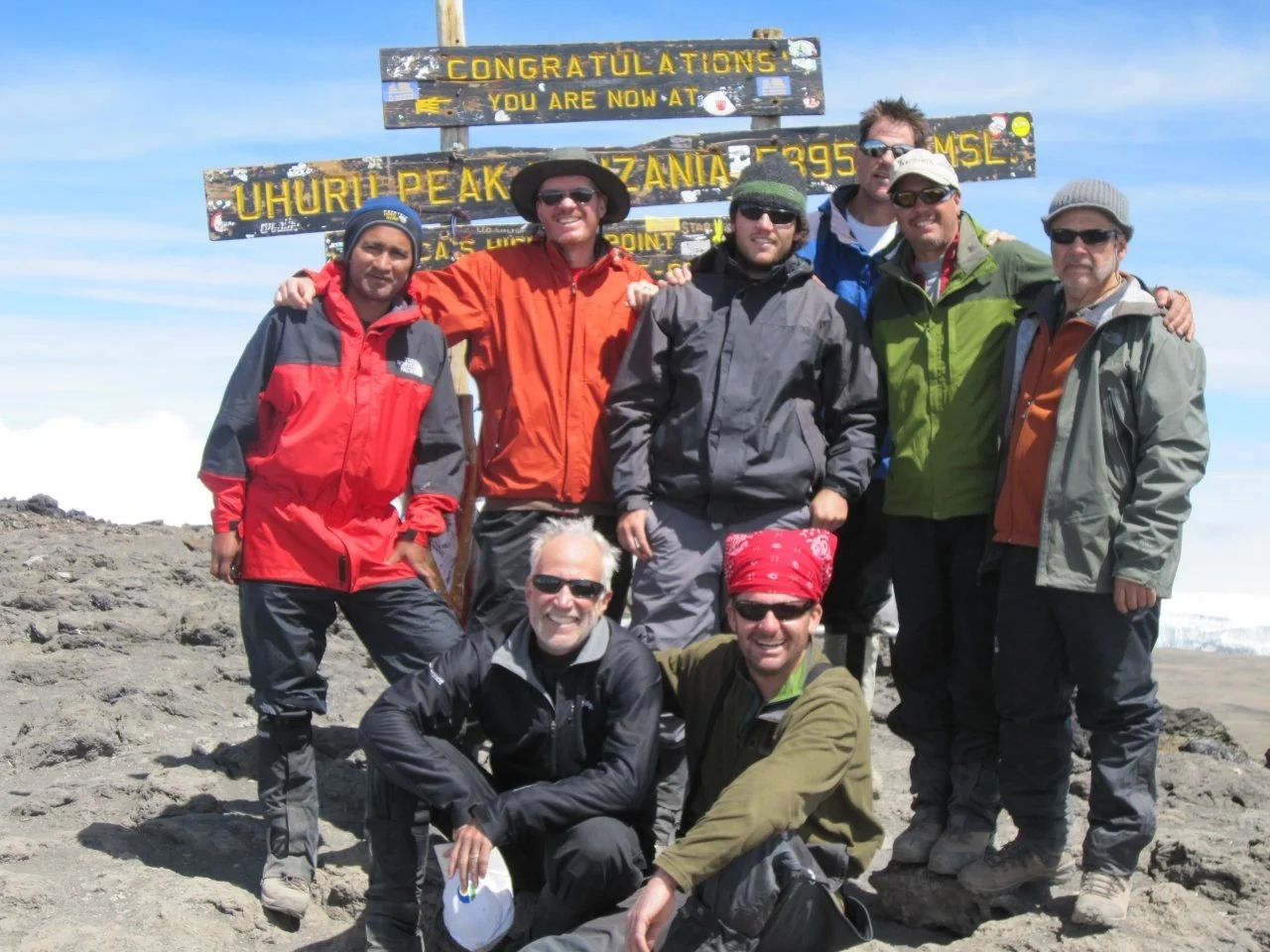
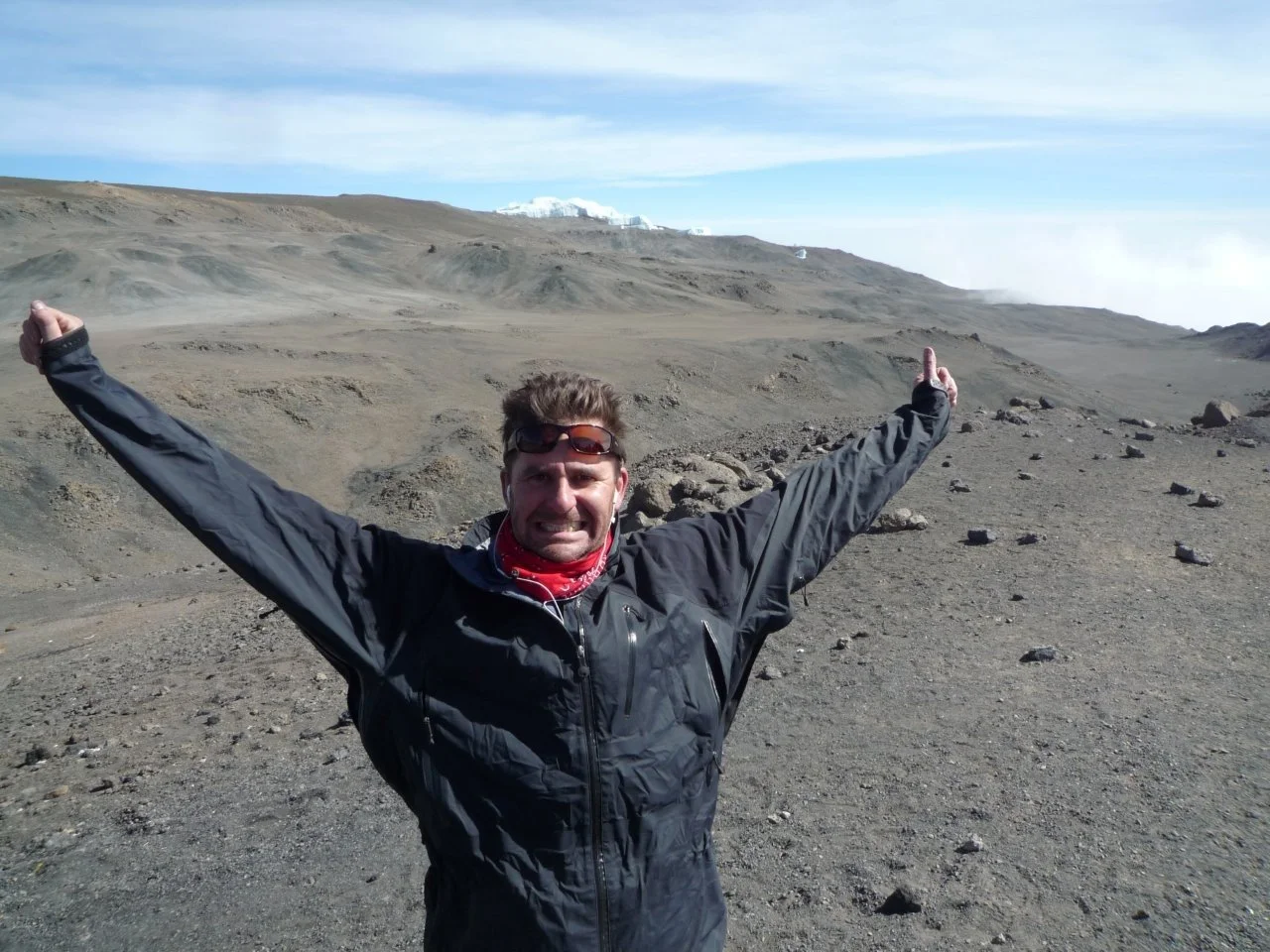
Over the years I’ve helped many guests climb Kilimanjaro, and I’ve also had the privilege of leading a group of ten there myself. I’ve climbed other mountains too, including Mount Kenya and spent time trekking in the Atlas Mountains of Morocco.
Kilimanjaro still stands out.
It’s demanding, yes. But it’s also incredibly rewarding.
Standing at nearly 20,000 feet, you are actually higher than Everest Base Camp, which gives you a real sense of what high-altitude climbers experience.
And reaching the summit provides a tremendous sense of achievement.
The Right Mindset Matters
One thing I always tell guests considering Kilimanjaro is this:
Only climb it if you genuinely want to.
Don’t drag along a reluctant partner, child, friend, or spouse just because it seems like a good idea.
Most people who summit Kilimanjaro succeed not because they are elite athletes, but because they are mentally committed to reaching the top.
If you go with like-minded people who are excited about the challenge, the experience becomes something truly special.
The Outfitter Matters Even More
There are many, many outfitters operating on Kilimanjaro.
Frankly, too many.
And the quality varies enormously.
Choosing the right operator is probably the single most important decision you will make when planning the climb.
The company I have worked with for many years is owner-run, highly professional, and known for the way it treats its staff.
This matters enormously on Kilimanjaro.
A good outfitter will:
Pay and treat porters fairly
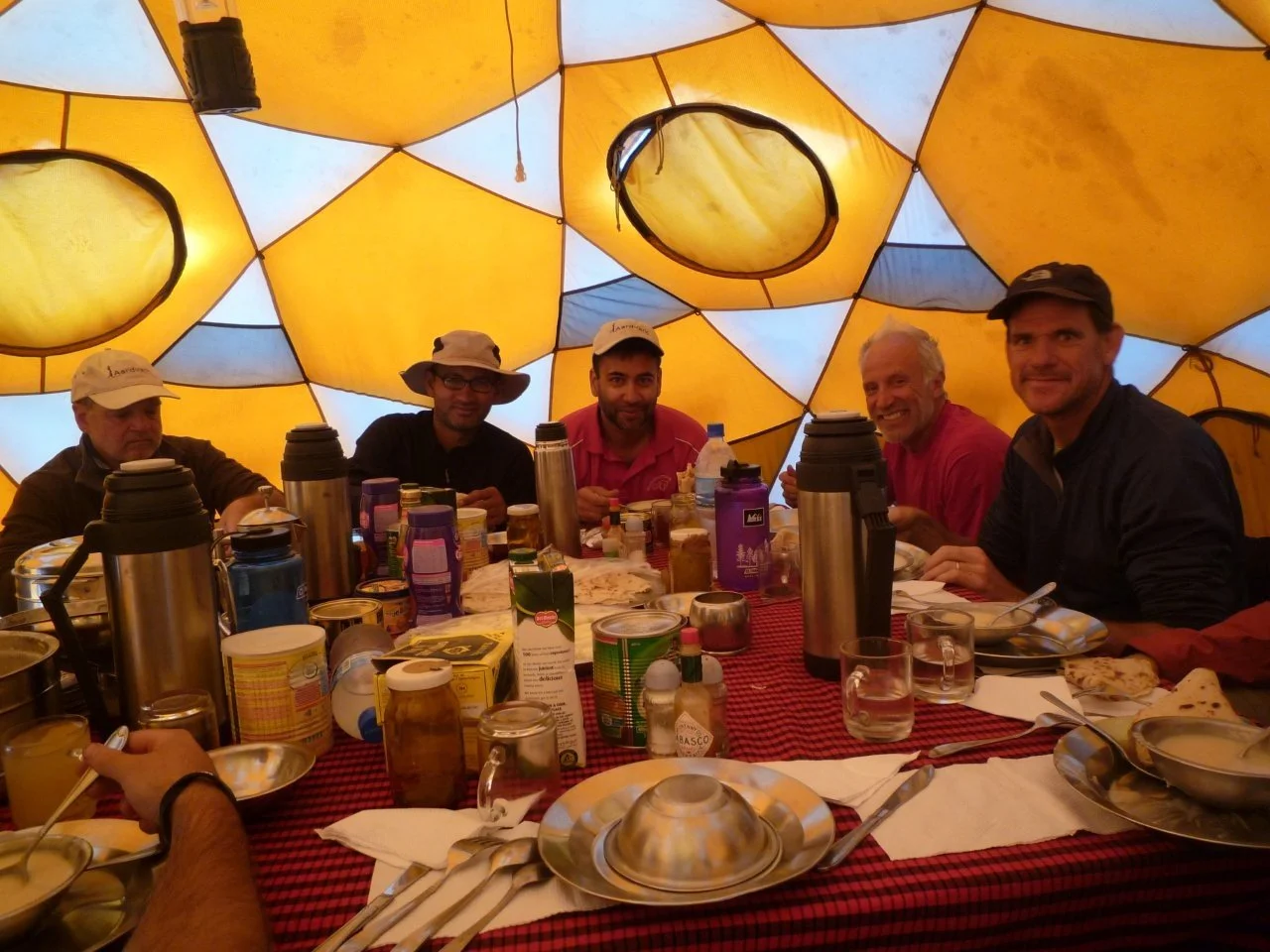
Provide excellent food and hygiene
Carry proper medical equipment
Monitor guests’ health regularly
Maintain high safety standards
On well-run expeditions your guides will typically check your oxygen levels two or three times per day with an oximeter, monitor how you are feeling, and ensure you are acclimatizing properly.
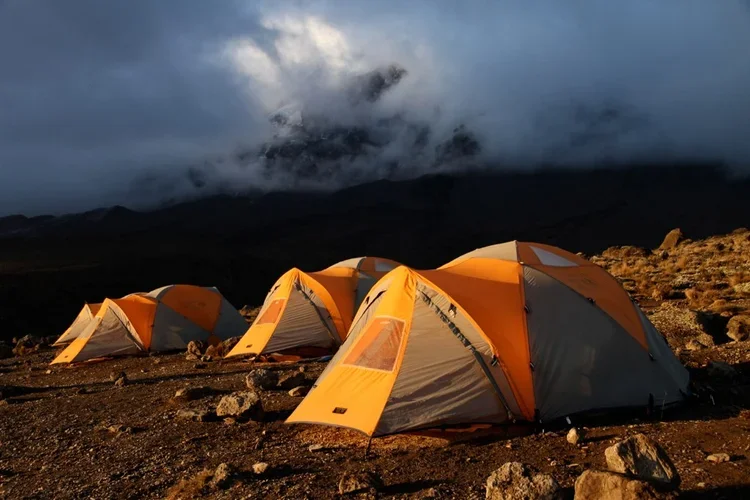
You will also have an impressive support team: guides, assistant guides, chefs, and porters.
All of this costs money.
But if you are traveling halfway around the world to climb Africa’s highest mountain, it is absolutely worth investing in a top-quality operator.
The Routes: A Debate That Never Ends
There are several routes up Kilimanjaro, and climbers can debate them endlessly.
The two routes I most often recommend are:
Machame Route
Lemosho Route
Both offer excellent scenery and strong summit success rates.
But the truth is that how long you spend on the mountain matters more than the exact route you choose.
If you allow 7 to 8 days, the summit success rate can exceed 90 percent.
If you try to rush the climb in 5 or 6 days, success rates can fall dramatically, often closer to 60 percent.
In other words:
Don’t cut the itinerary short.
Give your body time to acclimatize.
A good expert will guide you toward the right route and schedule.
A Few Quick Kilimanjaro Facts
Height: 5,895 metres / 19,341 feet
Location: Northern Tanzania, near the Kenya border
Type: Dormant volcano with three cones: Kibo, Mawenzi, and Shira
First ascent: 1889 by Hans Meyer and Ludwig Purtscheller
Climbing style: Trekking, not technical mountaineering
Climbers pass through five ecological zones, beginning in lush rainforest and finishing in an arctic-like summit landscape.
Few mountains on Earth offer such dramatic environmental change over the course of a single trek.
Combine It With a Safari
One of the great advantages of climbing Kilimanjaro is that you are already in East Africa.
That makes it incredibly easy to combine the climb with a classic safari in Tanzania or Kenya.
After several days of trekking and summit night, relaxing on safari while watching elephants wander past your campfire is a pretty wonderful reward.
A Final Thought
Over the years I’ve probably had more women climb Kilimanjaro with me than men, and I’ve been fortunate to see a very high success rate among guests.
Off the top of my head I can only think of a handful who didn’t make the summit.
Most people who prepare properly, travel with a good outfitter, and allow enough time on the mountain have an excellent chance of reaching the top.
And when they do, the feeling is extraordinary.
If Kilimanjaro has ever crossed your mind, my advice is simple:
Train a little, pick the right team, and go for it.
It might even be the most satisfying weight-loss programme you’ll ever try.
Thinking About Climbing Kilimanjaro?
If reading this has sparked even the slightest curiosity about climbing Mount Kilimanjaro, I’d be delighted to help you explore the idea further.
One of the nice things about Kilimanjaro is that it can be very flexible to plan. You can design a private trip around your own dates, invite a few friends if you wish, and then allow others who share the same goal to join the climb and form a small group. Often those groups begin as strangers and finish as very good friends.
Alternatively, if you would prefer to join a scheduled trip for inspiration and camaraderie, you are warmly welcome to join Taylor Wells, my marketing guru, who is leading a climb starting on July 4th and finishing on July 13th, 2026.
It promises to be a fun and supportive group and a wonderful way to experience one of Africa’s most iconic adventures.
If Kilimanjaro has ever been on your radar, just let me know. I’d be happy to talk you through the options and help you decide whether it might be the right adventure for you